I Have Caught The Education Bug

People have told me since I got out of grad school that one day I would get the itch to go back and go after a doctorate.

For years, I said, “Never. No way. Not happening.”

I hate research, like despise it. I enjoy reading and learning from research findings, but the act of collecting data scares the daylights out of me.

The day we went over statistics in grad school and discussed how to analyze data points and the frequency and what nots, I went home and cried. In all seriousness, I may have teared up in the class because it was so over my head and I just couldn’t grasp it. I was so overwhelmed from the information. I was beyond frustrated by the fact that I just could not comprehend how those tables and numbers explained something. I had never felt so stupid and embarrassed that as a graduate student I just didn’t get it.

(I must mention that I am fairly stubborn, so if I don’t get something right away, I generally avoid it like the plague. I don’t like that feeling of inadequacy at all.)

From that experience, I vowed never to pursue a degree that required actual research.  I didn’t ever want to feel that way again, and I knew I wasn’t going to intentionally put myself in a program that required me to take more classes on statistics or research analysis. That one day in grad school was enough exposure for me!  So I have been merrily running away from anything statistical or doctoral for the past four years. I thought I had shut that door permanently and was content not searching for positions that required a doctorate. I don’t see myself in higher level positions anyway.

That was until I heard this podcast.

This by far is the best interview I have ever heard, mostly because it stirred something in me.

Rosina McAlpine is a visit scholar at the University of San Diego and originally from Australia. What intrigued me the most was how she came to infuse higher education theories to create a base for learning strategies as a faculty member.

My passion is in academic coaching. I really enjoy working one on one with students to assess their goals and explore new strategies to help them become owners of their educational experience. They can only control how they react so let’s make sure the student has all the tools they need to be successful.

But I am always stumped with how to approach them when underneath it all is the issue that “the professor doesn’t know how to teach.”

As a side note, before I get to this point I do try to help the student  adjust and analyze their own reactions to that instruction and develop strategies to adapt to any style. I do understand that education is a two way process and the student needs to be responsible for their part. Just need to make sure that is said.

However I feel that this is a growing trend in higher education with how tenure works and research expectations with a little teaching on the side. Teaching styles will need to vary from a 20 person class to 300 people, or even in person to online. From my observation,  a big concern for students is when they can’t learn from the professor.

Especially when they are paying for it.

The requirements for faculty and instructors will be different from school to school. What is expected of academic folk can depend on how long they have been there, tenure status, university mission, private vs public, and the list goes on.

I began to wonder though:

  • How many actually require some teaching experience or provide some instruction along the way on classroom strategies.
  • How many are going off their own experience of talking at the student, giving roll, and providing answers?
  • Do professor training programs exist? If so, what do they look like? And how many are required?

Now I see from my very little  exploring that there are schools that do offer various types of professional development, but most of these seem to be optional.

This interview spoke to me on so many levels of learning. Coming from a teaching certification background, I like to look at the educational process as a whole and see what all parties are doing with this investment.

How do we motivate and inspire students to work in the classroom? What is student learning to professors and are they engaging students beyond handing out a grade? What are students actually learning, and are they effectively learning? So many questions!

There are many wickedly intelligent people on the university campus. However just because they are the most talented physicist does not mean they are able to teach worth a lick.

Teaching takes skill and passion. Even in my own college experience, I could tell which professors where there for the subject versus the student. I will tell you that I respected and learned more from professors who were invested in my learning experience in addition to the facts about history.

Rosina McAlpine discussed the fact that many students pick a major and aren’t even excited about that. Why aren’t we doing more to infuse passion and excitement into learning? Are we just expecting a grade, or are we expecting them to become a new person because of the change that has occurred in the classroom?

Obviously I buy into holistic learning seeing as I am supporting students outside of the classroom and value student growth. The holistic approach comes with the territory of being a Student Affairs professional. It made me start to wonder why is this not a thing with the academic side of the house?

I have so many questions that have spurred from this one podcast.

  • Why aren’t faculty shown how college students develop and ways to motivate this population in their educational experience?
  • And if they are, is there a trend with certain degree programs, types of universities, state legislation?
  • Are we expecting too much from faculty that it detracts from student development? Some faculty teach several courses in addition to being advisers, committee chairs, researchers, presenters, etc. As with many professionals, faculty are pulled in a lot of directions. So does this leave less time for a student focus?
  • Are learning theory questions  asked when they are interviewed? What exactly do we know about their teaching style when offered a contract?
  • Do schools offer additional trainings or professional development throughout one’s career? Are they optional or required? Do faculty senates play a role here?
  • Is there a correlation in graduation rates/employment status for graduates with schools that do have a focus on teaching development?
  • Why do we expect K-12 school educators to undergo massive training requirements and not expect similar for higher education professionals?
  • Do students even care? Is this something that would encourage more students to apply to a program knowing that their professors are not only biologists but certified teachers?
  • What makes a good teacher? Are these skills we are looking for when hiring faculty?
  • And what about graduate students and teaching assistants who instruct classes, do they have instructions or are they just thrown to the wind?

Now I understand that this is still very surface level for me. If you know programs  out there that answer some of these topics, please do share with me! I am just starting to raise the questions for myself, and by no means view myself as an expert with faculty expectations. I am not here to critique and say that all professors are not effective as teachers. I really value my educational experience, and I had some phenomenal educators that have stuck with me years after the class ended. In my time as a professional, I have worked with some fantastic professors and know they are doing amazing things with our students.

Unfortunately though, I have had too many experiences with the other side of the coin that I am worried.

I am owning my biased concern that I feel that universities focus more on outside classroom merits for faculty than they do on how they can teach a student. While I do understand that there is value in having faculty who are doing great research or writing articles and the what have you, I have to ask what good is all of that if they cannot inspire a new incoming architecture major in the classroom for the first time. Where is our focus:  school reputation or the student learning? Can there a good balance of both? Faculty are molding the next generation in their field; I would hope that they would want all the best techniques to do so. I feel that this is not happening as much as it should. Again, this is my own observation and naivete on the subject coming out here. This is why I ask the question so I can learn more and understand the philosophy of faculty development.

I think there is something to be said though about the fact that so many students do struggle with some professors, or that when they sign up for classes they will avoid certain sections because they know that professor is a dud, and they will not learn anything or will struggle trying to understand because of the way information is presented. Too often, I’ve heard the phrase that there are professors who don’t care and aren’t willing to help or change the way the course is taught even if the majority of the class is below average. That is an issue for me.

I do recognize that there is a lot of student mindset training that goes along with this. Students do need to be responsible for adapting and taking control of their own learning, and not to blame everything on how information is presented to them. However when you hear this constantly, it makes you wonder why so many are saying it and if the fault really does lie with the student or are there methods and strategies we can be offering faculty as well?

If learning is to be a two way street, why are we only focusing on one side of the street for repairs?

While I have worked on the student end for many years and worked among their learning theories, it has made me curious about the theories and development on professors.

As you can see from my thought overload, this left me wanting to know more, wanting to dig deeper.

But since I hate research, I don’t even know where to begin answering these questions.

Why don’t I go back to school? Is it really just that silly data program that is holding me back? (In fact, yes it was.)

Tom has been telling me for years that I should just go for it and become Dr. Whitener.

Just as everyone has told me, the itch hit me like a wave. I am wanting to go back for that next degree. I have been out of the classroom for four years now, and I am now dying to go back.

To everyone who said it would happen and took my scowls at the idea of it, you can now tell me “I told you so.”

I really do want to understand this topic more. I feel that it would be so valuable to universities to look at on so many different levels. Again I ask, why do we expect a teaching degree for K-12, but only expect a history degree for a history professor at the university?

My research focus is somewhere in all that mess of questions. It’s a start right?

I won’t be undertaking this anytime soon because who knows what is going to happen to our personal situation in the next couple years, so I would like to be a little more settled before I begin this journey. I am however starting the process of exploring options of degrees/schools and delving more into what I can find online for this topic in the meantime.

If you have articles or know people to get me in touch with to discuss this further, I would love things to be sent my way! I wasn’t able to find a whole lot out there on this so far, so if someone can lead me in the right direction I would appreciate it. I am really interested in professor development so we can help university students in the classroom more. And anything I can learn in the meantime would be great!
30709_593434510891_1877696_n

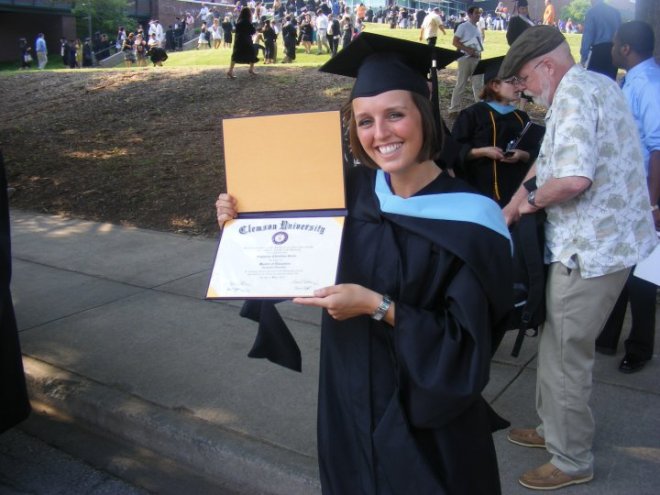
It would be nice to have a degree with Stephanie Whitener on it…just saying.

In addition to all this, that podcast also explored how women have a huge impact on the roles they have been given. She talked about work life balance as an educator, spouse, and mother in the most realistic way. I appreciated her candor and honesty about things. It was real. She talked about compromise in a way that makes you realize that it is really not discussed in education or social fundamentals.

It really is great to listen to if you have time!

Changed my life obviously.
Harlem Globetrotters

2014-01-14 20.14.02

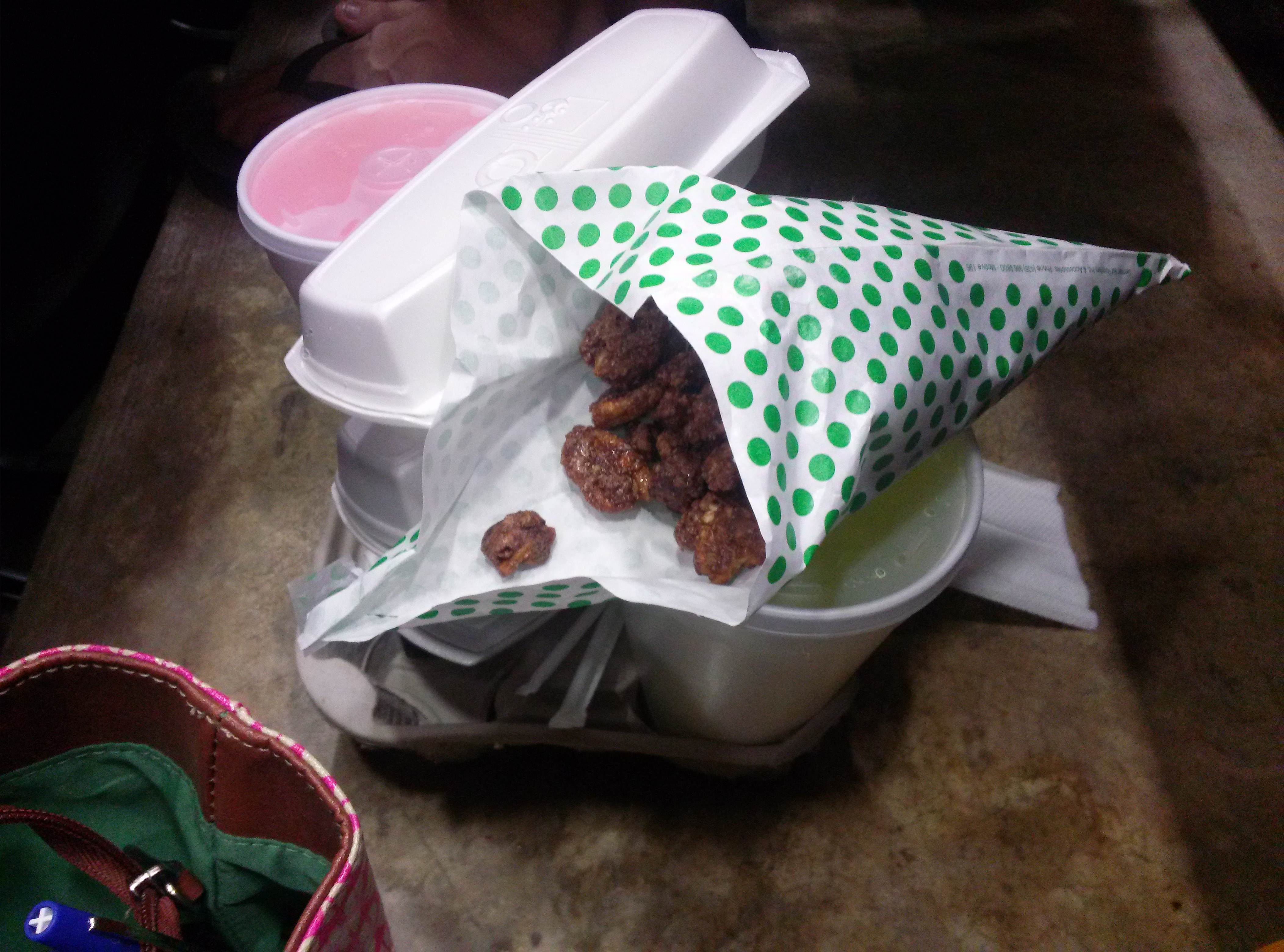
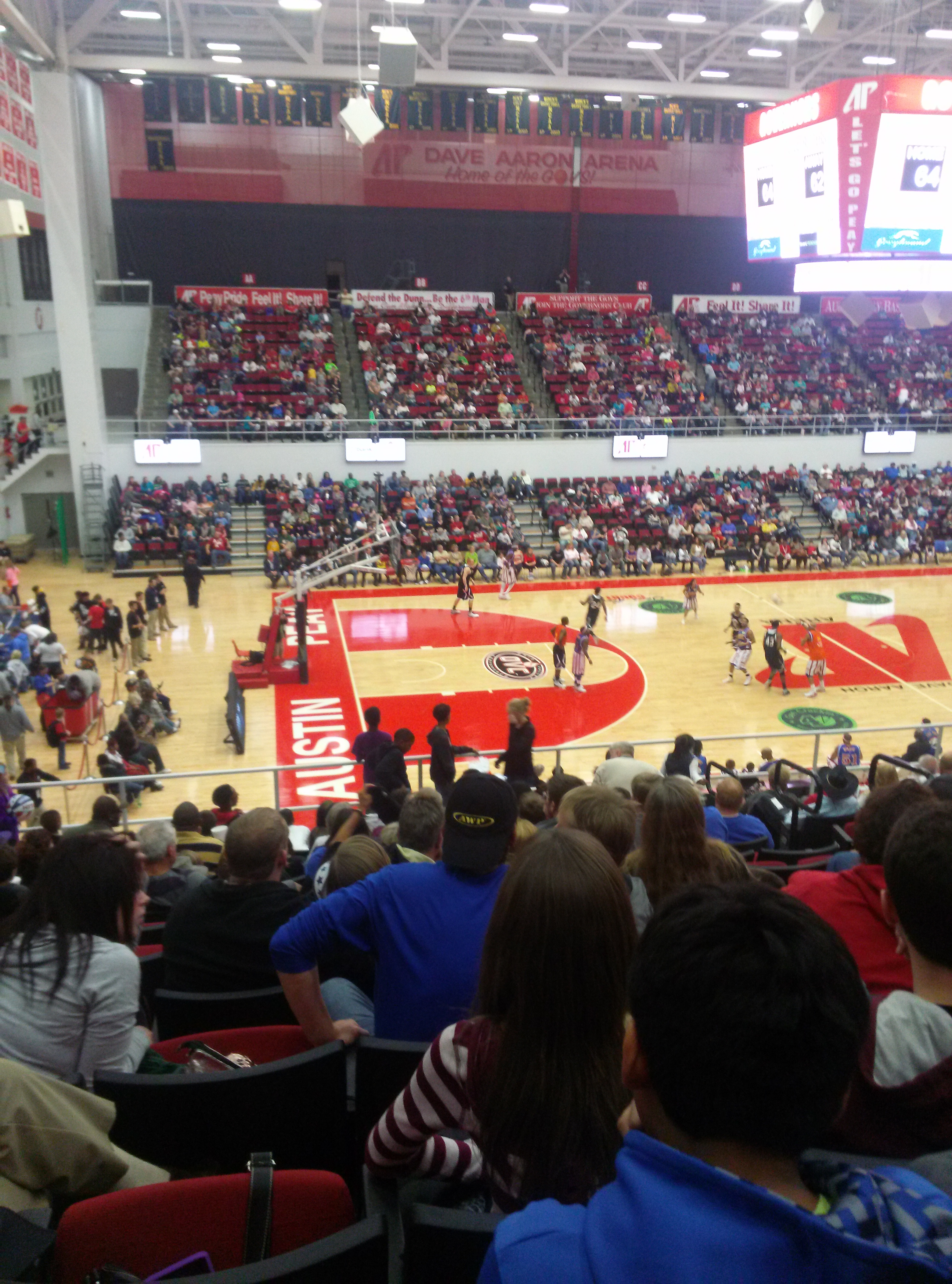
Fancy tricks, concession stand food, and basketball?

2014-01-14 19.12.06

Sign me up.

I have always wanted to go to the Harlem Globetrotters. Every since I was little, I would watch the commercials in awe wishing I had those basketball skills. Inevitably though, every time they came to a city near me I would have something going on that one night they were in town.

2014-01-14 20.15.52

But not this year!

We were also able to score a discount on tickets, so it was a fairly cheap date night!

It was pretty fun. They do play an actual game just with some twists and special point rules. They will break every so often to interact with the fans and do a comedy sketch of sorts with the refs. And of course it was fun to see what they could do with a basketball.

2014-01-14 19.25.49

This would be a great family outing with kids. Although Tom did say, “I wonder how many TV screens and windows were broken in Clarksville with kids trying to be like Special K?” So you might want to watch out for child imitators. (Or grown ups for that matter)

This has been on my bucket list for years, so I am glad I was able to scratch this off!

In other news, I have joined the Instagram bandwagon, so if you are interested in lots of boxer pictures, check me out there.

Also I am now doing blog button swaps, so if you want to swap buttons let me know! I am not able to post the html on my side bar for an easy grab, so just email me if you want to swap. Or if you know how to make the html code stick on WordPress without turning into the picture I would love that advice too!

Moving up in the blog world one step at a time…

Professional Development on a Part-Timer’s Wage

Recently, I have been bumped down to even more of a part time status at work. Who knew that you could be part time at being part time? Well you can.

Naturally, my professional ego took a hit (again) when the news came out, so I started researching/thinking of ways to stay relevant in my career so I can ensure that I am able to stay up to date on Student Affairs things once the next job search starts (not that it has really ended, but I digress).

Granted I am learning a lot of things at work for the little time that I am there, but I know that I need to be ready for other functional areas and campus climates.

Plus as a part timer, I get absolutely no professional development funds.

Coming from Iowa State where I received $2,000 for professional development just for myself on top of all the things that the department and university provided at no cost to me, having nada was a bit hard to swallow. I was super spoiled there, but it also made me very aware of how important it is to stay in touch with the field outside of my job description.

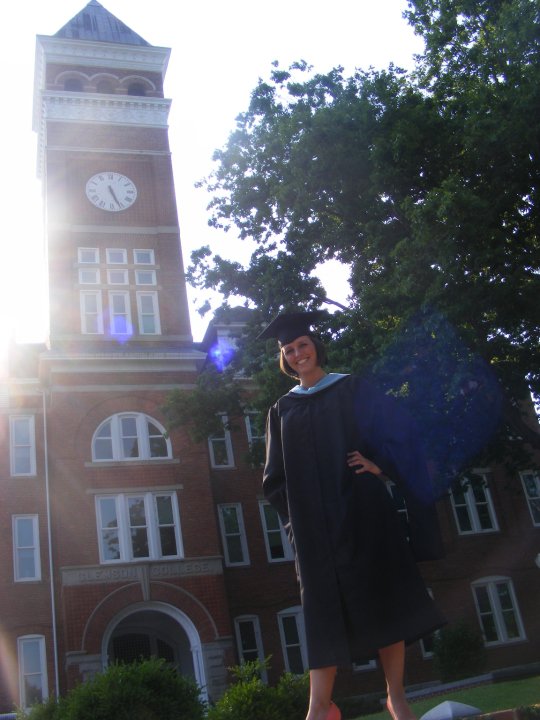
When I graduated with my Master’s, I thought the world was so open to me. I never thought that almost 4 years later I would be where I am now.

30709_593434540831_8140357_n

A bright-eyed Master’s grad who has no idea what is about to unfold.

Funny thing is, the world is still wide open for me, it has just taken a few humbling experiences for me to catch on to that.

I have been collecting little tidbits here and there for the past 8 months of how I can still get quality professional development but do it on the dirt cheap. AKA FREE.

So here is my journey to find professional development on a part-time wage.

My part-time-professional-go-to guide so to speak.

–>Organizational memberships

  •  In my field, it is fairly common to be a member of one of the large professional organizations, your functional area organization, and then regional organizations. Here are the breakdown of how numbers work for someone who is paying out of their own pocket.

NASPA (National Association of Student Personnel Administrators)

  • As an individual, it would cost me $75 to join.
  • Conference registration-$400-500 (not including transportation, hotel, and food)

ACPA (American College Personnel Association)

  • As an individual, it would cost me $93 to join.
  • Conference registration-$450-900 (not including transportation, hotel, and food)

AHEAD (Association on Higher Education And Disability)

  • As an individual, it would cost me $245 to join.
  • These are just the big guys. It does get cheaper the smaller the organization. I am sure you get the picture though that memberships cost money. Memberships do award you benefits and access to various things, but right now I am not sure it is worth shelling out my own small paychecks for. Some of these fees may not seem like a big deal, but any amount of dollars can make a huge difference for someone who is only getting 20 hours a week. So no dice on memberships.

Since memberships and conferences were obviously not going to work for me, I went on the search for webinars, websites, and online journals.

–>Webinars were quickly was scratched off my list because of cost again. I am looking for free here people!

–>Websites

  • This should be a no-brainer. Most websites are free to access, although some do require membership log-ins to gain more information, but you can get by without.
  •  My only struggle with websites are that it can get overwhelming really quickly with all the additional links and resources that you can click through. I personally get side tracked easily. I have found that I have to go searching for a purpose otherwise I get lost in time and get stressed out by what I don’t know. I mean is there a dead end on the internet?
  •  Here are some starting points for websites:

The obvious

A little more digging

  • Every functional area is going to have a website so just Google search it.

Random

  • Pepnet (This provides resources for people working with the deaf or hard of hearing population, but the information is invaluable for all professionals! I love clicking though resources, and I learn something new every time I am on the site.)
  • Student Affairs History Project (this is just really interesting to me)
  • I Google searched “student affairs professional development.” With this search, dozens of university divisions of student affairs websites popped up. After clicking through several sites, you can find A LOT of good stuff. I found presentations, articles, general knowledge. Also it was interesting to look into random schools and see how their divisions were organized and who did development on a division level. Fascinating. Mind expanded!

–> Journals, Newsletters, and List serves (oh my)

Upon digging into websites, I continued to find articles, which spawned into a whole category of its own. I have listed only free resources I use currently, but there are tons out there with paid subscriptions as well:

  • Chronicle
  • The Mentor: an Academic Advising Journal (email subscription)
  • Conflict Management in Higher Education-It is no longer being updated, but there are lots of articles you can open and read. And let’s be honest, some things are always relevant, and even if they aren’t it is nice to get historical context on some things.
  • Disability.gov-(email subscription)
  • Military.com-(email subscription) At first glance, this may be personal seeing as I am a military wife. However, most of the topics are relevant to college students, and I increasingly am seeing how military students are not talked about much on the college scene (another topic for another day).
  • Student Affairs on Campus (online articles)
  • Journal of Student Affairs at New York University (online issues)
  • I don’t use each of these every day, or even every week, but I try to really challenge myself to open something new every so often. Having a variety of websites to peruse allows me to see different views and issues. With some being emailed directly to my inbox, I can see highlights and click from my email account on topics that I find intriguing.

–>Other ideas I have had over the past 6 months

Stay with me on this one. With social media growing at an alarming rate, pretty much anything is searchable. Including presentations y’all! Bring the conference to me! Boom! You can search topics, student affairs presentations, trainings, etc. If you are willing to sift through search results you can find some pretty sweet gems in there! This takes some patience, because I sure did find some doozies. But in the name of free, it is worth it.

  • Facebook groups

There are a vast variety of groups to join.  I have a few that I follow that range from running to specific job areas. Each provide articles and a chance to connect with professionals across the world. My favorite right now as far as professional development goes is “Professional Development for the Student Affairs Professional.” They are constantly sharing articles, research, apps, relevant questions, etc. This has been easier for me because it is a quick format instead of clicking through links and tabs on websites or doing my own random searches all the time. Twitter would be able to provide similar benefits, I am just not familiar with that platform.

  • Books

I have a tub of professional books that I have collected over the years and have never read, which I am embarrassed to say. I have added this to my goals (30 for 30) to take advantage of these things I have already purchased. Also I am really excited to be connecting with Ellen on this goal as my accountability partner to actually make this happen.

  • Blogs

This one should seem obvious since I am a blogger. Some are just for giggles and are a place to relate and some are more prolific and make me ponder the meaning of my work. Blogs are a great place to see personal views across the field. I have a link on my sidebar to a large list of blogs in Student Affairs-The SA Directory. It is nicely organized in several ways so you can search a topic/area/person, whatever your heart desires. I like bloggers because it makes the profession seem more real and heartfelt to hear the personal stories.

  • Old conference schedules

In my online research, I kept coming across old conference schedules. I would find myself reading through a schedule from 5 years ago to see what topics were covered. This doesn’t give you a lot of meat, however, it is a great place to start if you are wanting to get fresh ideas or want to see what people have done. It has become a springboard for me to search topics and people (yep I look to see if people are “repeat offenders” with publications or presentations). Also, this gives you ammo when looking up things on Youtube. Sometimes you can even get the presentation material if you are lucky! (Can you tell that I am a Learner yet?)

  • Say yes to opportunities

While I may not have money for professional development, that doesn’t mean I haven’t been to any. I have jumped on free seminars here on campus and in my department. I am capitalizing on opportunities that are paid for me. I either find these by word a mouth or watching the daily APSU newsletter.

  • I did a presentation at a Wounded Warrior Conference
  • Seen a few webinars with the department
  • Attended a Women’s Leadership Series here at APSU
  • Attended a Retirement Funds Seminar here at APSU
  • Also connecting with the community I believe counts as an opporuntity-volunteering as POC (point of contact) for Tom’s Unit and working with the shelter are providing me different perspectives of interacting with people and constituents-oh and organizational structure.

–>Podcasts and Radio

My absolute favorite free professional development that I have found are podcasts and radio! Why I didn’t invest in this arena before now I have no idea! These are amazing. I love the ability to listen to people talk while I am working or doing other things. That’s what I call multi-tasking!

  • NPR is my go to radio. I listened to this while in undergrad for some political science and history courses, but I am not sure why I ever stopped. (Maybe it was my interview to be accepted into student teaching that scarred my NPR experience-I still see that professor in my nightmares.) NPR obviously covers a wide range of topics so you can pick and choose what you want to listen to. I think a worldly view is helpful when reaching out in the university realm.
  • You can find podcasts on most major professional websites. Some are free and some are not, but I have had a plethora of freebies to keep me busy.
  • As far as podcasts go, I have to say my favorite is from Life Work Balances. Each week a new interview is uploaded about various people across the field. This one PhD student (Conor) reaches out in different formats to find people to interview. Some he already knew, others recommended to him, and others who contact him. The topics range so widely, but ultimately we are all connected by the college student and striving for balance in this world. It has been really interesting and rejuvenating to hear each person’s story and context. As you know I love stories, so this is probably why this is my all-time favorite. Besides the personal stories, I have learned about various universities, programs and research focuses through these interviews. I learn best through personal connections, so this has been really meaningful for me to listen to these each week.

These are specific resources for Student Affairs and Higher Ed, however, I think the idea can go across professions. It does take some patience and diligence to find some of these things. If you keep at it, you can find a myriad of free resources out there to challenge your thinking and keep your mind fresh. It has been really encouraging to read through/listen to these resources. Being able to still connect freely has given me hope in my part time woes. I want to forever be a “student” in the profession and be able to evolve no matter what my circumstances may be.

As I reflect though, I have had great experiences since I started my Student Affairs journey and have been blessed with so many opportunities to challenge me professionally and personally. Some of my favorite learning moments have been at conferences that cost me several hundred dollars, and then others that I have done in the comfort of my own home in my pajamas have been just as worthwhile. You just have to be willing to say, “I still want to learn,” but also know your means in order to do so. Even though I can’t afford a lot of the “mainstream” professional development, I can still rock out some good stuff on my own. You have to have the gumption to make your own path sometimes, and with the way that technology is moving, you really can do so much for free. Thank you internet inventors for making this gal a little smarter!

Please note that these are all my opinions. I was not contacted by any group or affiliation to write about them. I got all links and prices directly from organization websites. I just wanted to share resources that have helped me in my Student Affairs journey and make professional development more accessible. My intention was to show that you can still obtain relevant and awesome professional development without shelling out any cash.

So there you have it. My effort to remain a professional as a part-time lackey.

Do you have other free ideas that I should be looking at?

Quirks of Clarksville

I have been in Clarksville for about 8 months and there are a few quirks I have noticed about the roads here.

via

1. Businesses in the area love sign spinning. Even in this cooler weather, I still see this happening. I would say that they are more than a distraction than they are an attraction for a business.

2. School Buses have pick up/drop offs on main thoroughfares. Who does this? Also I was not aware that when you are on a highway the opposite direction still has to stop for an unloading bus. I am fine stopping, but kids should not be crossing a 4-6 lane highway!

3. Hand washing cars is a mighty big thing in this area. On my way to work I see probably a dozen car washes offering the “best hand washed service” in town. From what I have seen they are fairly competitive rates with a machine wash. I feel that it rains too much here to warrant paying for a car wash. Maybe when I get a new car that will be something I am more invested in….but probably not.

4. Not only are kids walking across 4 or 6 lane highways, but people not associated with school buses just cross the street with traffic buzzing buy, and I mean not on a crosswalk or with the help of streetlights. It has been absurd to watch people just mosey on across the street like it is a sidewalk and will dart between cars like we are New York City or something. People do it in the rain, sunshine, night, day, with groups, by themselves, in suits, in pajamas…apparently it is a thing. The craziest sight is seeing people drag strollers and kids who can barely walk across the highway in full traffic! I have seen people standing in the middle turn lane for several minutes waiting for the cars (who are going around 45-50 mph) just whiz on by. Walking seems to be a way of transportation here, but they could at least find an appropriate crosswalk. Also if they are going to be doing this, they need to learn to wear reflective gear or bright clothing, maybe a PT belt. I am just saying reflective pieces of clothing are helpful for you and the drivers so we DON’T HIT YOU! (In case you were wondering, I have never hit someone, but it has come very close to this by my accord and others around me.)

via
This is an example of the road where people walk across. Just imagine lots of traffic and pedestrians intermingling (and no flood).

5. One road can go by several names. It can be ridiculous trying to find a new place or give directions because one road has 4 different names. The main strip in town has the following titles:  Fort Campbell Blvd, 41A, 79, Providence Blvd, and 2nd Street. Now I understand how they correlate, but when I first got here, you can see how it may be difficult to keep things straight. There also isn’t the greatest signage depicting the changing titles. And depending on who you talk to will change how they refer to it. For example, I refer to it as Ft. Campbell Blvd, and Tom calls it 41A. It can get silly…I also still haven’t found the CiCis we were looking for back in August when our family was in town.

The things I probably would never know if I didn’t commute…

Have you noticed any quirks of your town?

Brother Birthday!

Today is my little brother’s 26th birthday.

While I know there were almost 3 years I survived before him, I cannot remember my life without him.

Being only three years apart, Randall was around for most of my life.

650_535797550821_65_nWe definitely had our troubles as brother and sister. There were many years that I loathed him. Especially those days that he would steal my things or he would beat me at Chinese Checkers. I thought he was a pest for a time there. On many occasions I wondered how we were even related…

Oh yes. This is how.

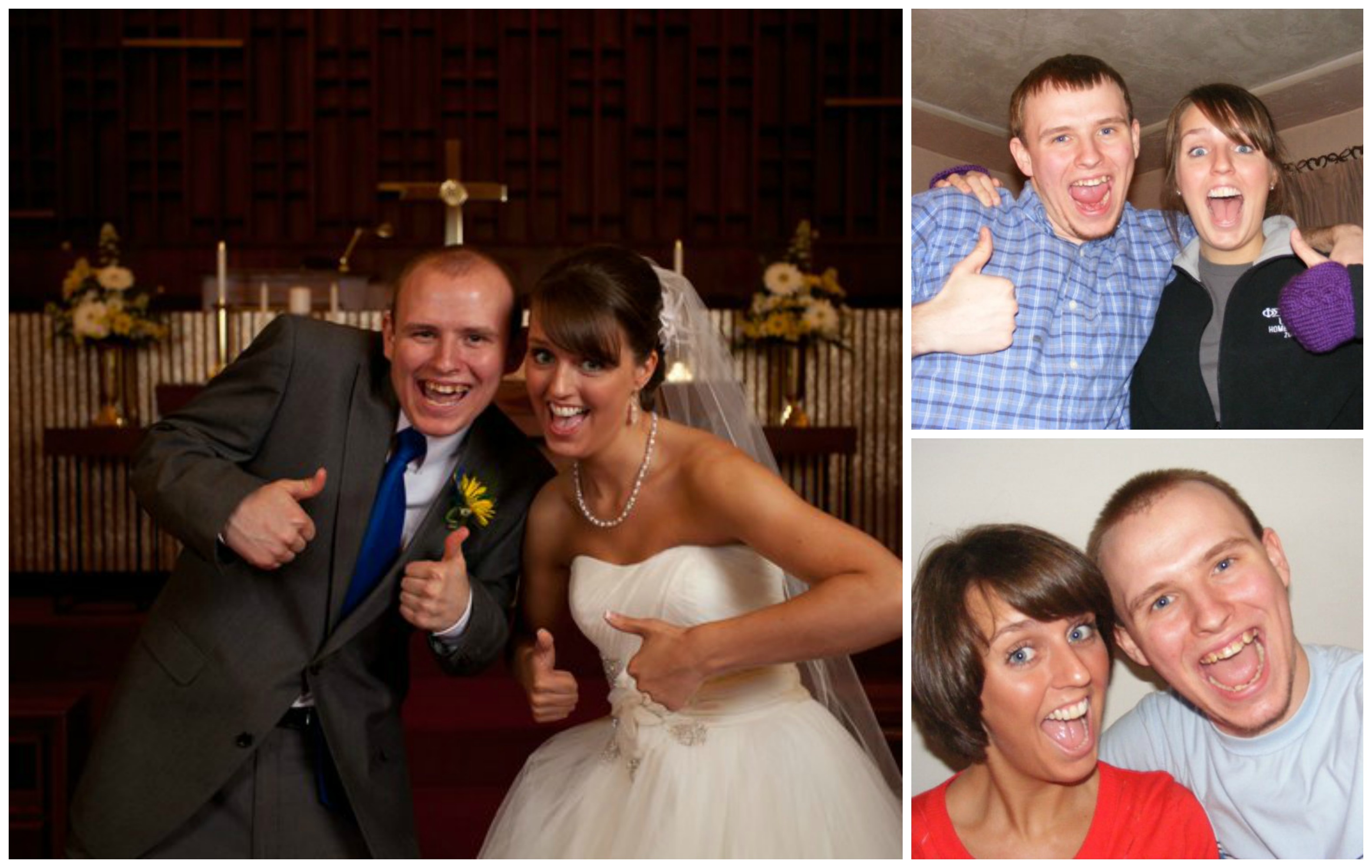
funny faces

I honestly didn’t find many pictures that we didn’t have a funny face. The left-hand corner is the most normal picture I could find.

Although we had our ups and downs in our relationship, we managed to be there when the other needed it. With nothing really consistent in our childhood, we were the only thing that remained constant for each other. We shuffled each week together from house to house. Rarely did we go somewhere without the other.

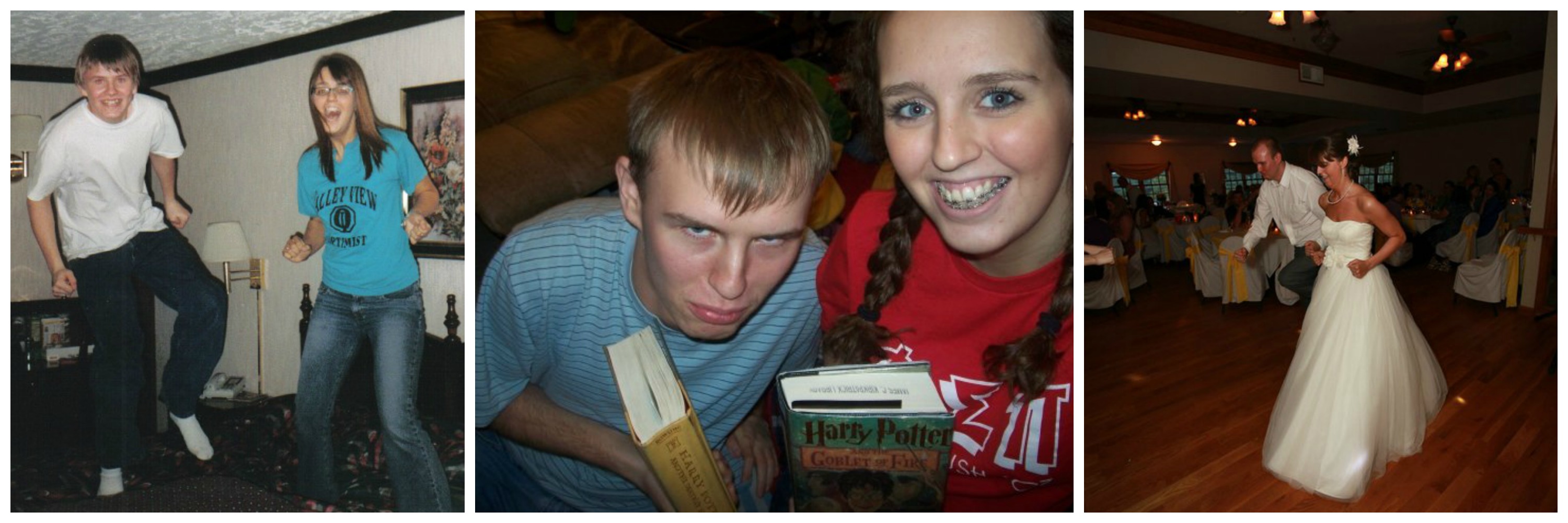
graduation

We have been there for every major life event. Granted I didn’t exactly see his daughter be born, and he didn’t see my first walking steps, but you get what I mean.

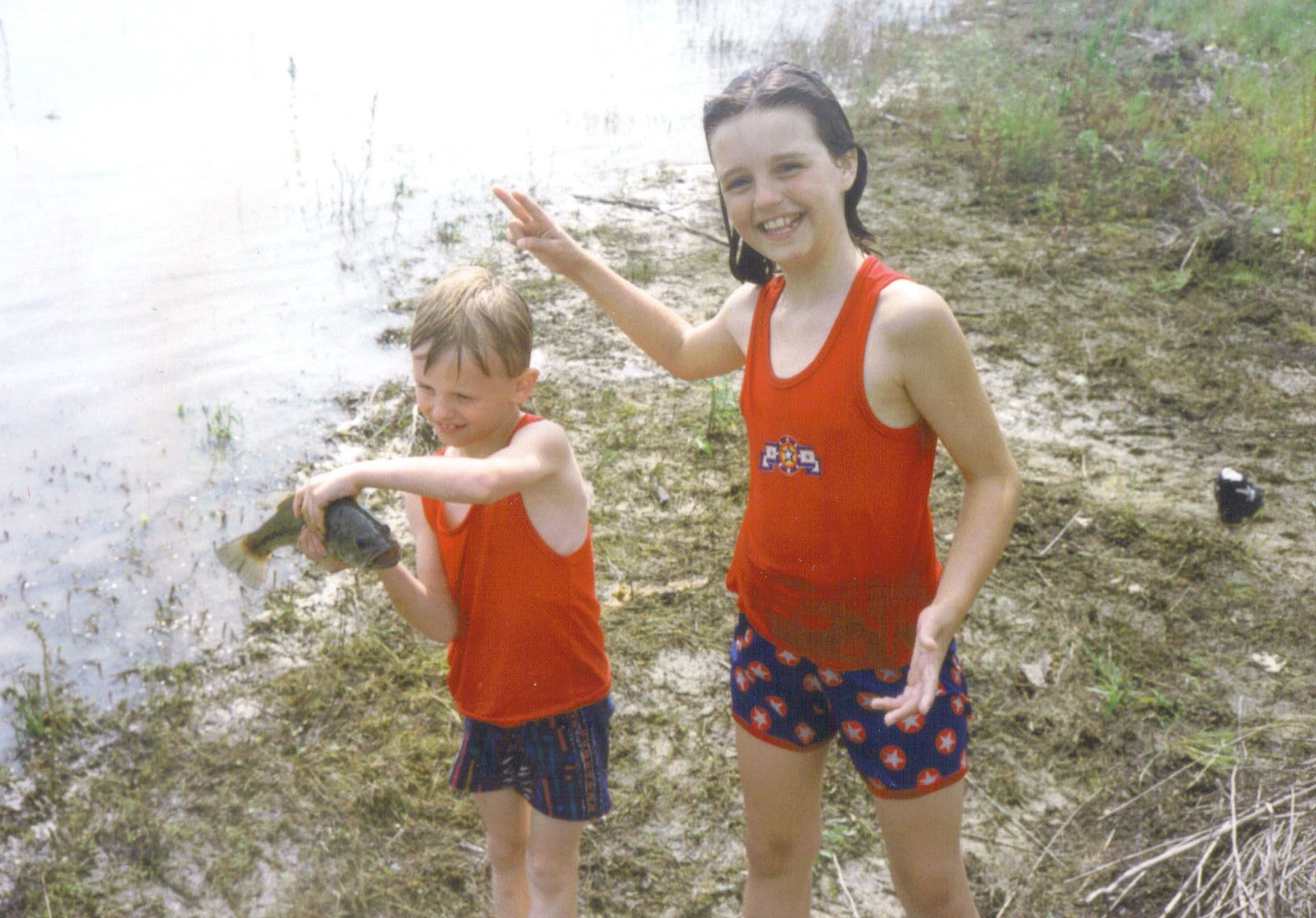
Our dad took us on an impromptu fishing trip. So naturally since we didn’t have swimming suits my brother and I dived in fully clothed.
This is one of my favorite childhood memories.
I think I was around 8, which would make my brother 5.

I wasn’t always the nicest sister. Once, I convinced him to give himself a swirly for a quarter, and to this day I still owe him that quarter. Somewhere I have a picture of this…

Randall wasn’t always the nicest brother. On numerous occasions we found ourselves in screaming matches with slamming door action.

glinn grin

Typical Glinn Grin

We managed to pull each other up and make each other smile when it counted. We were often the only kids at family and social events, so we had to find ways to entertain each other. And so maybe every day wasn’t great, but most days we fueled each other’s imagination with play school, games, and legos.

Lots of legos, crayons, and micro machines.

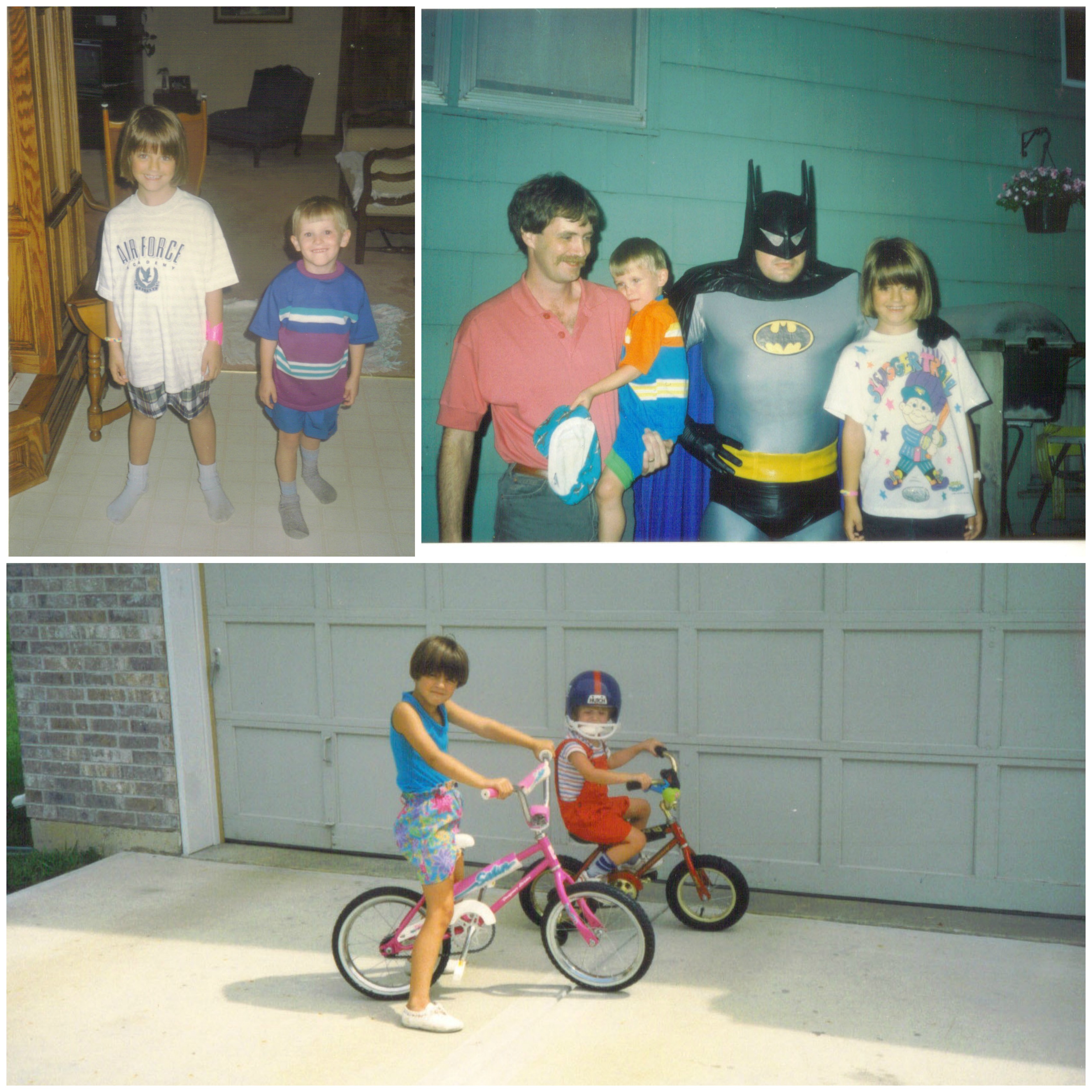
random childhood

Randall was terrified of Batman, who is actually being played by a close family friend of ours. He cried for the longest time.
(Also check out my troll shirt!)

We would pretend that we were Michael Jordan and Muggsy Bogues for hours in the driveway. Even when we played tennis or baseball in the back field, we still were Michael and Muggsy, we felt empowered by them I guess. We accidently broke things in the house from playing too hard. Like the time we played volleyball in the house and it broke a window. Or the time that we were playing circus, and I was the ring leader standing on a flipped over trashcan, and then proceeded to fall through the wicker trashcan. We would dance for hours to Space Jam music, and secretly wish we could be part of the Mighty Ducks team. We watched countless hours of Saturday morning cartoons, which oddly enough Cowboys of Moo Mesa is one of the shows the 90s forgot.  All the times that we would sneak into the loft to watch Dad’s TV long after our bedtimes. We had our own band for awhile, me on keyboard and Randall on drums. We would record ourselves on our sweet tape decks, but the recordings I really want to get my hands on are all the news reports we made.

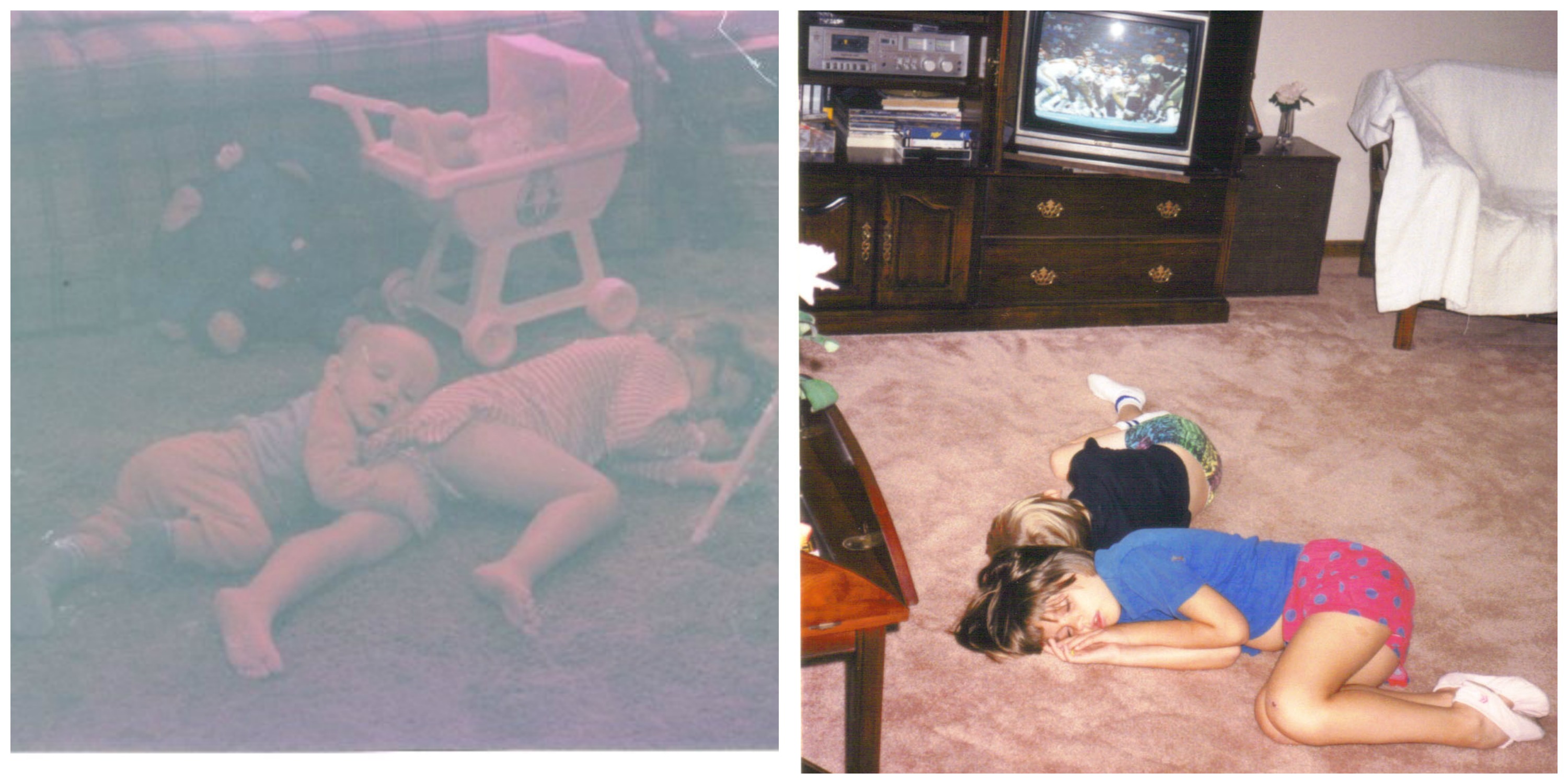
random

We would play ourselves to sleep.

Sleeping babes

I was always envious of my brother. He is so smart. He always had/still has better math skills than I do. It used to frustrate me so much when I was working on my time tables quizzes, and he could run laps around me with how fast he would say them before I could even comprehend the problem. He was one of those kids that never had to study but could still ace the test.

easter

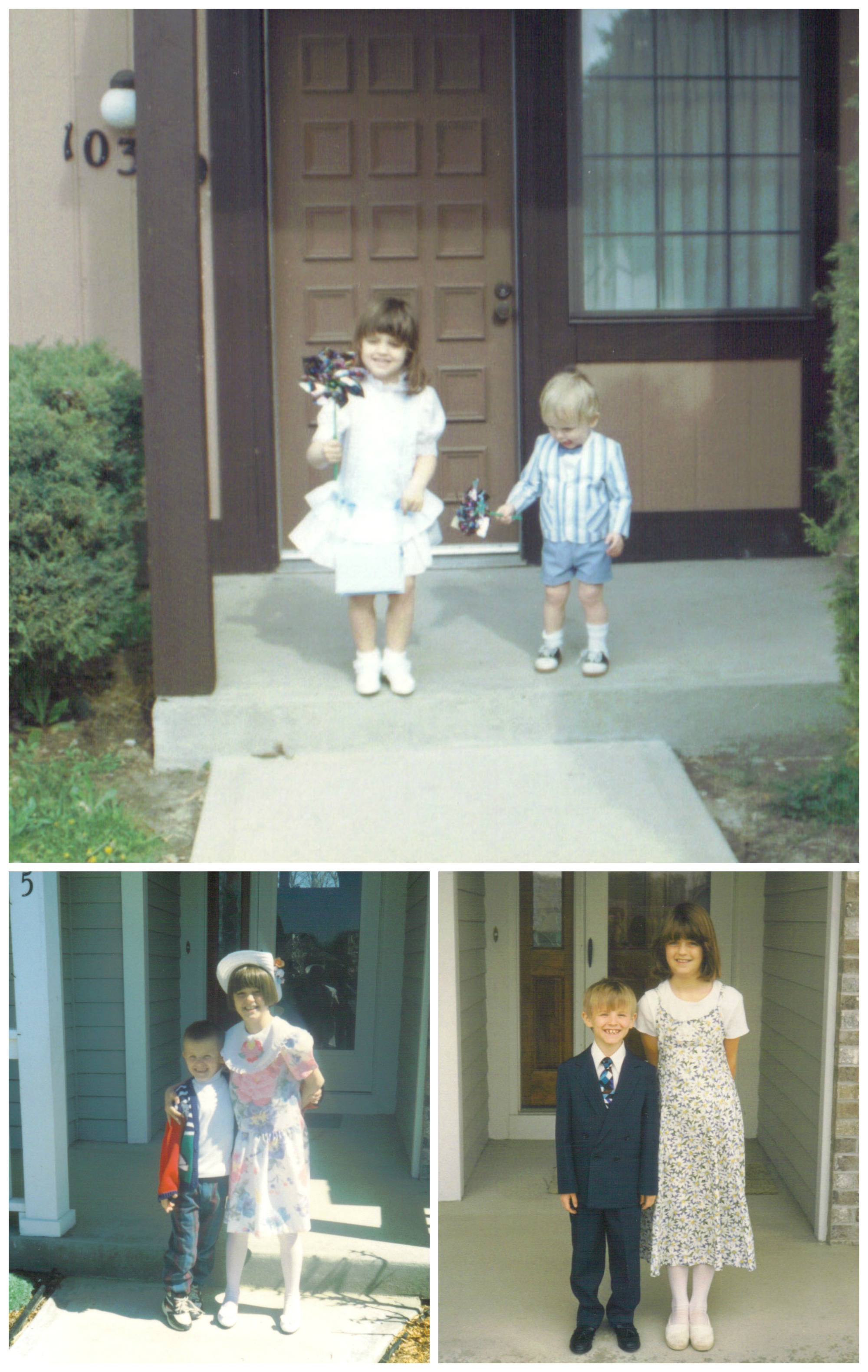
Who doesn’t love Easter best? And aren’t his saddle shoes the cutest thing?

He was never scared to do anything. He had bravery like a superhero and had fear for nothing. (Maybe it is from all those times he ran into walls when he was in preschool.) Randall never seemed to care what people thought about him, and lived full out and full on. He could strike up a conversation so easily, and you clearly knew where you stood with him. Even though he was younger, he often stood by me so I could be stronger and less shy. Seriously, he would have to escort me to go get ketchup packets…

worlds of fun

We were only in the same school for two school years:  my fifth grade/his 2nd grade and for my senior year/his freshmen year. (Our kindergarten and first grade were in a separate building in case you were wondering.) We were in high school band together which was such a neat experience for me in my last year, but maybe not so much for him in his first. We also worked at Worlds of Fun for a couple years together, and it was the start of both of us becoming adults.

161_514174064461_7005_n

So even though a lot of things have changed over the years like our hairstyles and our names (seriously you go by Paul now?), you have always been my bubba.

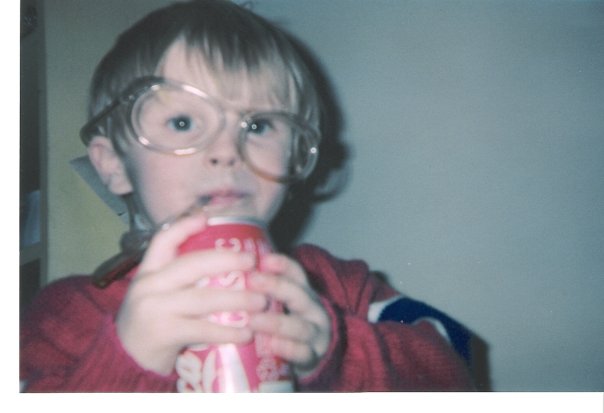
Year 89-1

He was such a cute kid! Now he has a kid of his own, and she is just as cute!

So Randall, here’s to you on your day of birth.

26 years ago, our lives changed.

For good.

(mostly…jk)

Happy Birthday Brother!

Maybe I will mail you what I owe you for the swirly…