Professional Development on a Part-Timer’s Wage

Recently, I have been bumped down to even more of a part time status at work. Who knew that you could be part time at being part time? Well you can.

Naturally, my professional ego took a hit (again) when the news came out, so I started researching/thinking of ways to stay relevant in my career so I can ensure that I am able to stay up to date on Student Affairs things once the next job search starts (not that it has really ended, but I digress).

Granted I am learning a lot of things at work for the little time that I am there, but I know that I need to be ready for other functional areas and campus climates.

Plus as a part timer, I get absolutely no professional development funds.

Coming from Iowa State where I received $2,000 for professional development just for myself on top of all the things that the department and university provided at no cost to me, having nada was a bit hard to swallow. I was super spoiled there, but it also made me very aware of how important it is to stay in touch with the field outside of my job description.

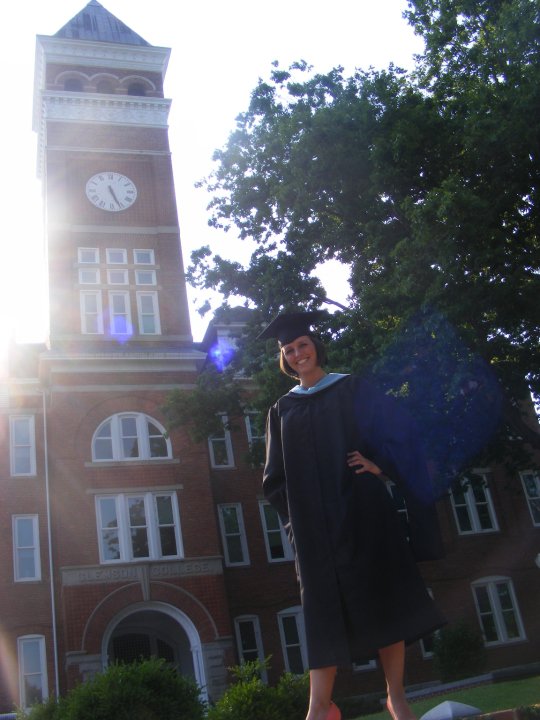
When I graduated with my Master’s, I thought the world was so open to me. I never thought that almost 4 years later I would be where I am now.
30709_593434540831_8140357_n

A bright-eyed Master’s grad who has no idea what is about to unfold.

Funny thing is, the world is still wide open for me, it has just taken a few humbling experiences for me to catch on to that.

I have been collecting little tidbits here and there for the past 8 months of how I can still get quality professional development but do it on the dirt cheap. AKA FREE.

So here is my journey to find professional development on a part-time wage.

My part-time-professional-go-to guide so to speak.

–>Organizational memberships

  •  In my field, it is fairly common to be a member of one of the large professional organizations, your functional area organization, and then regional organizations. Here are the breakdown of how numbers work for someone who is paying out of their own pocket.

NASPA (National Association of Student Personnel Administrators)

  • As an individual, it would cost me $75 to join.
  • Conference registration-$400-500 (not including transportation, hotel, and food)

ACPA (American College Personnel Association)

  • As an individual, it would cost me $93 to join.
  • Conference registration-$450-900 (not including transportation, hotel, and food)

AHEAD (Association on Higher Education And Disability)

  • As an individual, it would cost me $245 to join.
  • These are just the big guys. It does get cheaper the smaller the organization. I am sure you get the picture though that memberships cost money. Memberships do award you benefits and access to various things, but right now I am not sure it is worth shelling out my own small paychecks for. Some of these fees may not seem like a big deal, but any amount of dollars can make a huge difference for someone who is only getting 20 hours a week. So no dice on memberships.

Since memberships and conferences were obviously not going to work for me, I went on the search for webinars, websites, and online journals.

–>Webinars were quickly was scratched off my list because of cost again. I am looking for free here people!

–>Websites

  • This should be a no-brainer. Most websites are free to access, although some do require membership log-ins to gain more information, but you can get by without.
  •  My only struggle with websites are that it can get overwhelming really quickly with all the additional links and resources that you can click through. I personally get side tracked easily. I have found that I have to go searching for a purpose otherwise I get lost in time and get stressed out by what I don’t know. I mean is there a dead end on the internet?
  •  Here are some starting points for websites:

The obvious

A little more digging

  • Every functional area is going to have a website so just Google search it.

Random

  • Pepnet (This provides resources for people working with the deaf or hard of hearing population, but the information is invaluable for all professionals! I love clicking though resources, and I learn something new every time I am on the site.)
  • Student Affairs History Project (this is just really interesting to me)
  • I Google searched “student affairs professional development.” With this search, dozens of university divisions of student affairs websites popped up. After clicking through several sites, you can find A LOT of good stuff. I found presentations, articles, general knowledge. Also it was interesting to look into random schools and see how their divisions were organized and who did development on a division level. Fascinating. Mind expanded!

–> Journals, Newsletters, and List serves (oh my)

Upon digging into websites, I continued to find articles, which spawned into a whole category of its own. I have listed only free resources I use currently, but there are tons out there with paid subscriptions as well:

  • Chronicle
  • The Mentor: an Academic Advising Journal (email subscription)
  • Conflict Management in Higher Education-It is no longer being updated, but there are lots of articles you can open and read. And let’s be honest, some things are always relevant, and even if they aren’t it is nice to get historical context on some things.
  • Disability.gov-(email subscription)
  • Military.com-(email subscription) At first glance, this may be personal seeing as I am a military wife. However, most of the topics are relevant to college students, and I increasingly am seeing how military students are not talked about much on the college scene (another topic for another day).
  • Student Affairs on Campus (online articles)
  • Journal of Student Affairs at New York University (online issues)
  • I don’t use each of these every day, or even every week, but I try to really challenge myself to open something new every so often. Having a variety of websites to peruse allows me to see different views and issues. With some being emailed directly to my inbox, I can see highlights and click from my email account on topics that I find intriguing.

–>Other ideas I have had over the past 6 months

Stay with me on this one. With social media growing at an alarming rate, pretty much anything is searchable. Including presentations y’all! Bring the conference to me! Boom! You can search topics, student affairs presentations, trainings, etc. If you are willing to sift through search results you can find some pretty sweet gems in there! This takes some patience, because I sure did find some doozies. But in the name of free, it is worth it.

  • Facebook groups

There are a vast variety of groups to join.  I have a few that I follow that range from running to specific job areas. Each provide articles and a chance to connect with professionals across the world. My favorite right now as far as professional development goes is “Professional Development for the Student Affairs Professional.” They are constantly sharing articles, research, apps, relevant questions, etc. This has been easier for me because it is a quick format instead of clicking through links and tabs on websites or doing my own random searches all the time. Twitter would be able to provide similar benefits, I am just not familiar with that platform.

  • Books

I have a tub of professional books that I have collected over the years and have never read, which I am embarrassed to say. I have added this to my goals (30 for 30) to take advantage of these things I have already purchased. Also I am really excited to be connecting with Ellen on this goal as my accountability partner to actually make this happen.

  • Blogs

This one should seem obvious since I am a blogger. Some are just for giggles and are a place to relate and some are more prolific and make me ponder the meaning of my work. Blogs are a great place to see personal views across the field. I have a link on my sidebar to a large list of blogs in Student Affairs-The SA Directory. It is nicely organized in several ways so you can search a topic/area/person, whatever your heart desires. I like bloggers because it makes the profession seem more real and heartfelt to hear the personal stories.

  • Old conference schedules

In my online research, I kept coming across old conference schedules. I would find myself reading through a schedule from 5 years ago to see what topics were covered. This doesn’t give you a lot of meat, however, it is a great place to start if you are wanting to get fresh ideas or want to see what people have done. It has become a springboard for me to search topics and people (yep I look to see if people are “repeat offenders” with publications or presentations). Also, this gives you ammo when looking up things on Youtube. Sometimes you can even get the presentation material if you are lucky! (Can you tell that I am a Learner yet?)

  • Say yes to opportunities

While I may not have money for professional development, that doesn’t mean I haven’t been to any. I have jumped on free seminars here on campus and in my department. I am capitalizing on opportunities that are paid for me. I either find these by word a mouth or watching the daily APSU newsletter.

  • I did a presentation at a Wounded Warrior Conference
  • Seen a few webinars with the department
  • Attended a Women’s Leadership Series here at APSU
  • Attended a Retirement Funds Seminar here at APSU
  • Also connecting with the community I believe counts as an opporuntity-volunteering as POC (point of contact) for Tom’s Unit and working with the shelter are providing me different perspectives of interacting with people and constituents-oh and organizational structure.

–>Podcasts and Radio

My absolute favorite free professional development that I have found are podcasts and radio! Why I didn’t invest in this arena before now I have no idea! These are amazing. I love the ability to listen to people talk while I am working or doing other things. That’s what I call multi-tasking!

  • NPR is my go to radio. I listened to this while in undergrad for some political science and history courses, but I am not sure why I ever stopped. (Maybe it was my interview to be accepted into student teaching that scarred my NPR experience-I still see that professor in my nightmares.) NPR obviously covers a wide range of topics so you can pick and choose what you want to listen to. I think a worldly view is helpful when reaching out in the university realm.
  • You can find podcasts on most major professional websites. Some are free and some are not, but I have had a plethora of freebies to keep me busy.
  • As far as podcasts go, I have to say my favorite is from Life Work Balances. Each week a new interview is uploaded about various people across the field. This one PhD student (Conor) reaches out in different formats to find people to interview. Some he already knew, others recommended to him, and others who contact him. The topics range so widely, but ultimately we are all connected by the college student and striving for balance in this world. It has been really interesting and rejuvenating to hear each person’s story and context. As you know I love stories, so this is probably why this is my all-time favorite. Besides the personal stories, I have learned about various universities, programs and research focuses through these interviews. I learn best through personal connections, so this has been really meaningful for me to listen to these each week.

These are specific resources for Student Affairs and Higher Ed, however, I think the idea can go across professions. It does take some patience and diligence to find some of these things. If you keep at it, you can find a myriad of free resources out there to challenge your thinking and keep your mind fresh. It has been really encouraging to read through/listen to these resources. Being able to still connect freely has given me hope in my part time woes. I want to forever be a “student” in the profession and be able to evolve no matter what my circumstances may be.

As I reflect though, I have had great experiences since I started my Student Affairs journey and have been blessed with so many opportunities to challenge me professionally and personally. Some of my favorite learning moments have been at conferences that cost me several hundred dollars, and then others that I have done in the comfort of my own home in my pajamas have been just as worthwhile. You just have to be willing to say, “I still want to learn,” but also know your means in order to do so. Even though I can’t afford a lot of the “mainstream” professional development, I can still rock out some good stuff on my own. You have to have the gumption to make your own path sometimes, and with the way that technology is moving, you really can do so much for free. Thank you internet inventors for making this gal a little smarter!

Please note that these are all my opinions. I was not contacted by any group or affiliation to write about them. I got all links and prices directly from organization websites. I just wanted to share resources that have helped me in my Student Affairs journey and make professional development more accessible. My intention was to show that you can still obtain relevant and awesome professional development without shelling out any cash.

So there you have it. My effort to remain a professional as a part-time lackey.

Do you have other free ideas that I should be looking at?

Within Eyesight

Sight, seeing, view, watch, see, look, vision, stare, observe.

Lay eyes on, take a glimpse of, take notice, catch sight of, get an eyeful.

These are just a few words and phrases that I thought of in regard to sight. And these are words that are spoken so casually every day.

This semester I have had one of the most challenging but yet one of the most rewarding experiences as a Student Affairs professional.

And maybe as a person too.

It has been “eye” opening so to speak.

This entire semester, I attended a Math class with a student who is blind. I am this student’s class aid.

Basically, I have been the student’s eyes all semester.

Did I mention it is in a Math class?

Now I was never well-equipped myself in the math area. And here I found myself trying to explain geometry shapes from dot paper and the properties of an isosceles triangle. I would catch myself on more than one occasion talking with my hands in the air to describe a shape-dang hand motions.

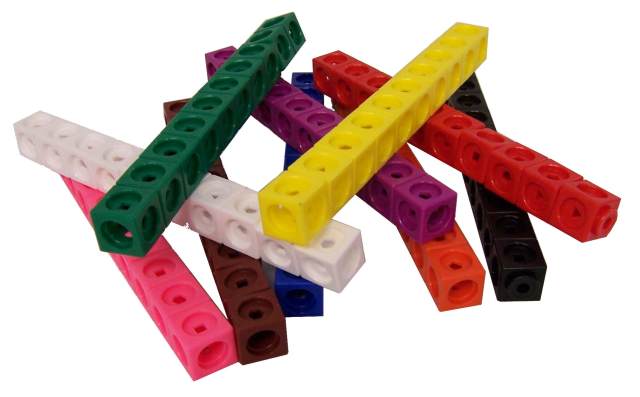
Every day in class, as the professor explained problems and wrote out equations, I attempted to show this student via math manipulative kits what exactly was going on.

We used various tools such as these:

This Geoboard became my best friend when trying to explain graphs and shapes.

These came in handy when we had to do reflections of shapes, and where the student was requested to draw things.

We used so many of these things as hand “visuals.”

Even here, I am using a visual to explain my point…see where I am going with this?

Math is so difficult. (I wish I would have paid more attention to my best friend’s math songs.)

So many days I would come back to the office just stuck and frustrated.

Stuck because I had no idea how to explain math. (I went into Social Studies for a reason.) As a visual learner myself, I very often was stumped on how to translate the visual of shapes and volumes .

Imagine adding circles to the this, and each angle being labeled and having to explain corresponding angles….my worst educational nightmare.

I was frustrated by how quickly the student was left behind to our own devices. We were usually two or three steps behind the rest of the class because it would take me a second to collect the information and then get the manipulatives set quickly to explain things while regurgitating the lecture with the objects we are using. I was frustrated that I couldn’t go faster, and frustrated that the rest of the class just moved along without us. Most of all, I was frustrated because I could see the answer but I had to keep my mouth closed. It was their math lesson to learn, not mine.

I was also an aide for a different student in a biology lab. Due to mobility issues, they needed someone to be their hands for various lab practicals. Ha, watching me put knocked out flies on lab slides and draw blood from a student’s finger was a trip…

These two classroom experiences allowed me to witness the myriad of things that students with disabilities face. Since I was just an observer, I picked up on so many things that I missed while attending school.

  • On one hand, you have professors who have no clue how to provide accommodations to make the material accessible so they just don’t (even though they are supposed to). For the most part this professor put forth the effort to make the math available, but there were moments where they were just as stumped as I was–like how to evaluate the student’s shape drawing abilities.
  • You have other students who want to rush through group work and wont take time to include the student. They will just do the work for them. Or they will get mad and say “this isn’t fair” if they have to do more clean up or set up because the physical part of the lab isn’t accessible to the student. In some instances, group work was like getting picked last at recess for these students.
  • Comments degrading students restrictions and limitations-just creating more barriers. I was dumbfounded at some of the things that are being said at the college level…
  • You have instructors who will eliminate parts of assignments and just let the student “skip” that material.
  • People are nervous about disabilities. You have the range from staring stupidly to full out ignoring the student. This nervousness factor alone causes so many reactions across the board that I could not even begin to explain them all.

However, I did see some awesome moments throughout the semester. There were several students who would speak up to help slow down the class if they saw us struggling. Some would offer to help tutor after class and plan study sessions together before big tests. I also had the chance to get to know these two individuals really well, which was a bonus for me to hear about them personally and academically. I saw professors do their best to find techniques like hooking a computer up to a microscope or spending hours puffy painting worksheets and providing wiki sticks for class work.

I am not perfect. This semester was so difficult and challenged me more than I would like to admit. I was frustrated when I couldn’t get the message across and felt like I was at a dead end. There were times that I said, “Well just look at it this way.” I often tried to move faster than I should have. Sometimes, I was nervous to challenge the student and wanted to go the easy way out.

But it wasn’t my educational experience on the line, so I had to buck up and admit that I needed help. I often stayed after class to ask the professors for advice and voiced my concern. On more than one occasion, I met with these students one on one outside of class to adjust our strategies and ensure we were on the same page with communication and expectations. At least once a week, I sat in my boss’s office to brainstorm strategies specifically for these students or found myself digging through boxes to find other manipulatives that we could use. It was a huge reminder that it isn’t about me. I am not in this field to help me. So I had to put away my fear of math and science and just dive right in with the students.

Bring it on bugs and math charts!

For these students, we need to work to make educational readily available. If that means that we have to stay a little extra, do more research, change the format to create the same result (without making it a freebie), and acknowledging the skills they bring to the table, that is our responsibility as educators. What works for one person, doesn’t work for all. Just because you get it, doesn’t mean that everyone is on the same page. So regardless of whether the student has a disability or not, I feel that this was a huge lesson/reminder for me.

Just because we are at a college level, that doesn’t give us the right to just leave people behind. I understand that students have to step up their game once they hit college courses. But I think educators should do the same, and often they are standing behind the guise of this is college so deal with it. We have to give them an equal chance to put in the work. If the student isn’t willing to perform, that is obviously on them. I am more than happy to tell a student they need to do more. They have the responsibility to ensure they ask the questions and speak up for their education. And when they do, we need to be sure to provide them with adequate tools to play the game.

You wouldn’t give a football player a tennis racquet to head into the Super Bowl. Why would you expect a student who is blind to understand what you are writing on the whiteboard?

Not only was the experience a life line for me among all the administrative work I had found myself in, it was a life line for my educator sole.

  • It taught me to always be vigilant towards injustice, because in this era of “equal rights for all”, those with disabilities are often forgotten.
  • It reminded me to be aware of what I say and how words as simple as “look at this” and all those listed at the beginning of this post can have an affect on someone’s perception and participation.
  • It taught me to slow down because although it may not be my first rodeo, the person whom I am working with, it may be their very first time out of the gate.
  • It taught me that you need to understand each student’s strengths and barriers in order to encourage them the best way possible.
  • It taught me that sometimes you have to keep your mouth shut in order for the student to learn, even if that means watching them fail.
  • It taught me how to be a better advocate for my students.
  • It encouraged me to ask questions when I was uneasy about a situation.
  • It taught me a whole lot about communication-verbally and especially non-verbally.
  • It taught me all things are relative within eyesight…

(Additionally, I have learned a lot about math and biology. Apparently when I don’t have to take the test, it soaks in a lot more. Not that I would ever need to know how to tell the sex of a fruit fly, but I can.)

On an unrelated note, there are a lot of “That’s what she said” moments in a biology lab. The pipette day alone…oh goodness.

You can take the girl out of Residence Life

August is the time that colleges come alive in anticipation of students returning to campus.

Here was my freshmen floor community.

SCN_0001

I think this was the first night we were all there, but certainly not the last. We had hallway parties pretty regularly, which shaped my housing reference for years to come. 3rd floor Hosey was really the best. Some of us will be reuniting soon for a wedding!

Since 2003, I have had an active role in students moving into residence halls, whether that was my own move in Fall of 2003 or being the staff since 2004 who checked people into those rooms.

It’s hard to shake that Housing identity, so this past month has been painfully difficult realizing that I was not part of this excitement anymore. So when the opportunity for our office to volunteer for APSU’s Welcome Wagon on Freshmen Move-In arose, I quickly signed up for a morning shift.

It really was a sad attempt to still have ties to my housing roots, but I digress. I had fun in my neon shirt anyway walking up and down stairs all morning. It was a great way to connect with other faculty/staff and welcome new students and their families to campus.

In my transition out of housing, here are some observations that I have made.

1. I took my flexible housing schedule for granted. I could choose my own hours and generally was more free during the day, but a lot of that had to do with being on call. I could go home any time to check on Grace because it was just a few minutes walk from my office. There is no way now to just go home to check on her, since it is a 20 minute commute. Now I have to be at the office during open hours (8-4:30 like clockwork), and if I need to have some time off during the day to run errands, I either do it on my one hour lunch break or get approved to leave early. This has been an awkward adjustment to say the least, but the upside is that I never have to deal with a duty phone or late night meetings. The latest I have been at work or done work period is 4:30. Sweet.

2. I thought I did really good job balancing things when I was in housing. haha I was a mess compared to how my schedule is now. My routines actually resemble routines and are consistent! I had no idea what I was missing with my at home balance and weekend freedoms.

3. I ACTUALLY like commuting. This was the thing I was dreading the most after living on campus for the last decade and having a walking commute no more than 5 minutes. I hate driving, but I find myself really enjoying the time I have before and after work to myself. Part of that has to be because it is really the only time I have completely by myself, so I love just being in my own element. It gives me time to get ready for work and drink my coffee as I listen to the best radio station. Sometimes I find myself leaving the house a little early so I can sit in my car before heading in to catch a couple extra minutes with Q108. Then heading home, it’s so nice to decompress the day before I come home to Tom. I can just unwind a bit. I have also used this time to make phone calls to stay in touch with friends and family. I will say though, I am much more aware of gas prices…

4. Housing people take their departmental resources for granted-ok I will just say that I did instead of making a blanket statement. I miss my big budgets for programming and incentives. I also miss the man power of staff. Being an auxiliary unit has it’s perks that I wish I had taken more advantage of while I had them. You think housing people wear a lot of hats? Try being in an office with 5 people serving all of campus. I knew so little back then, not that Iknow more now, my eyes are just being forced open a little wider.

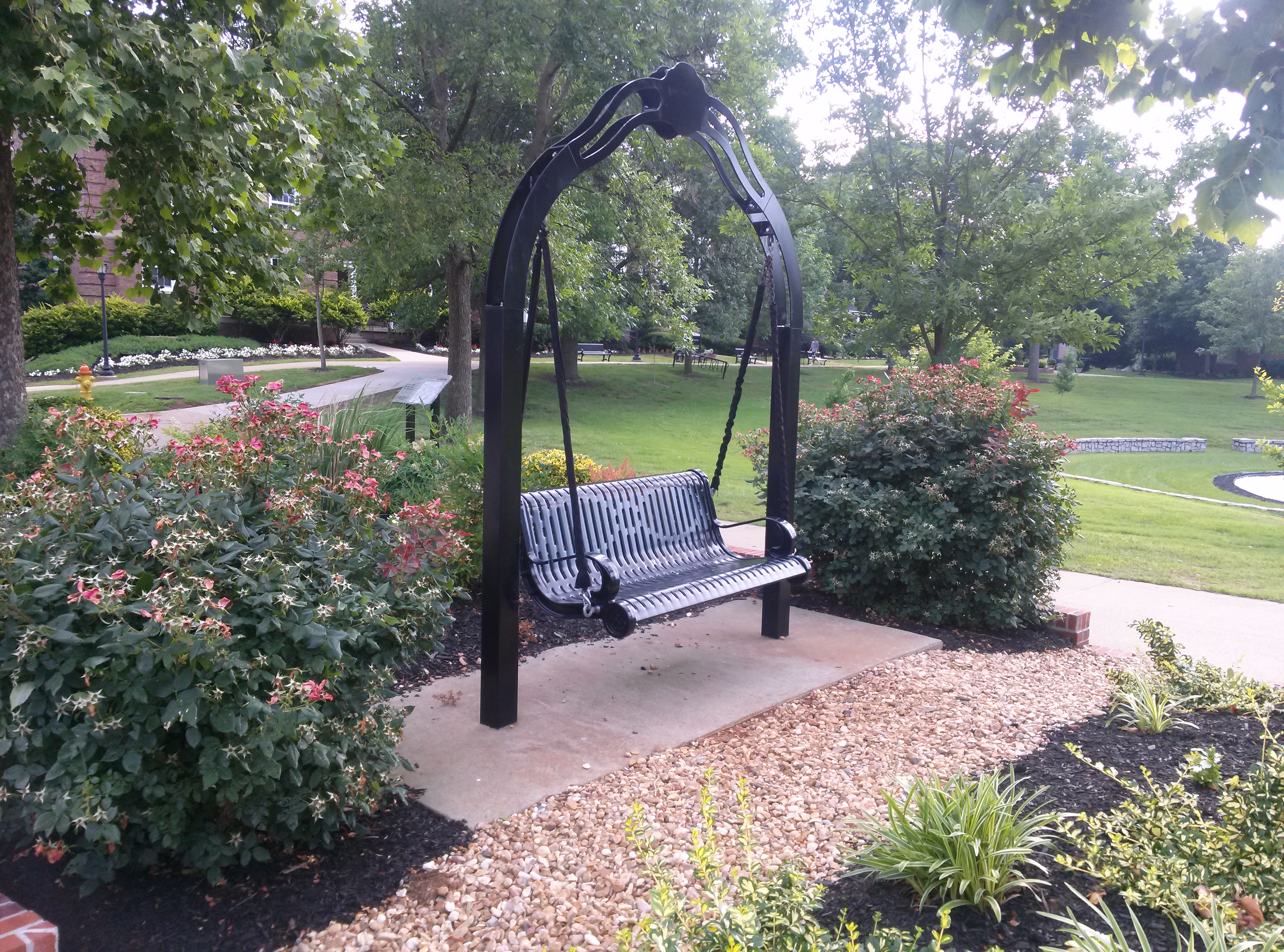
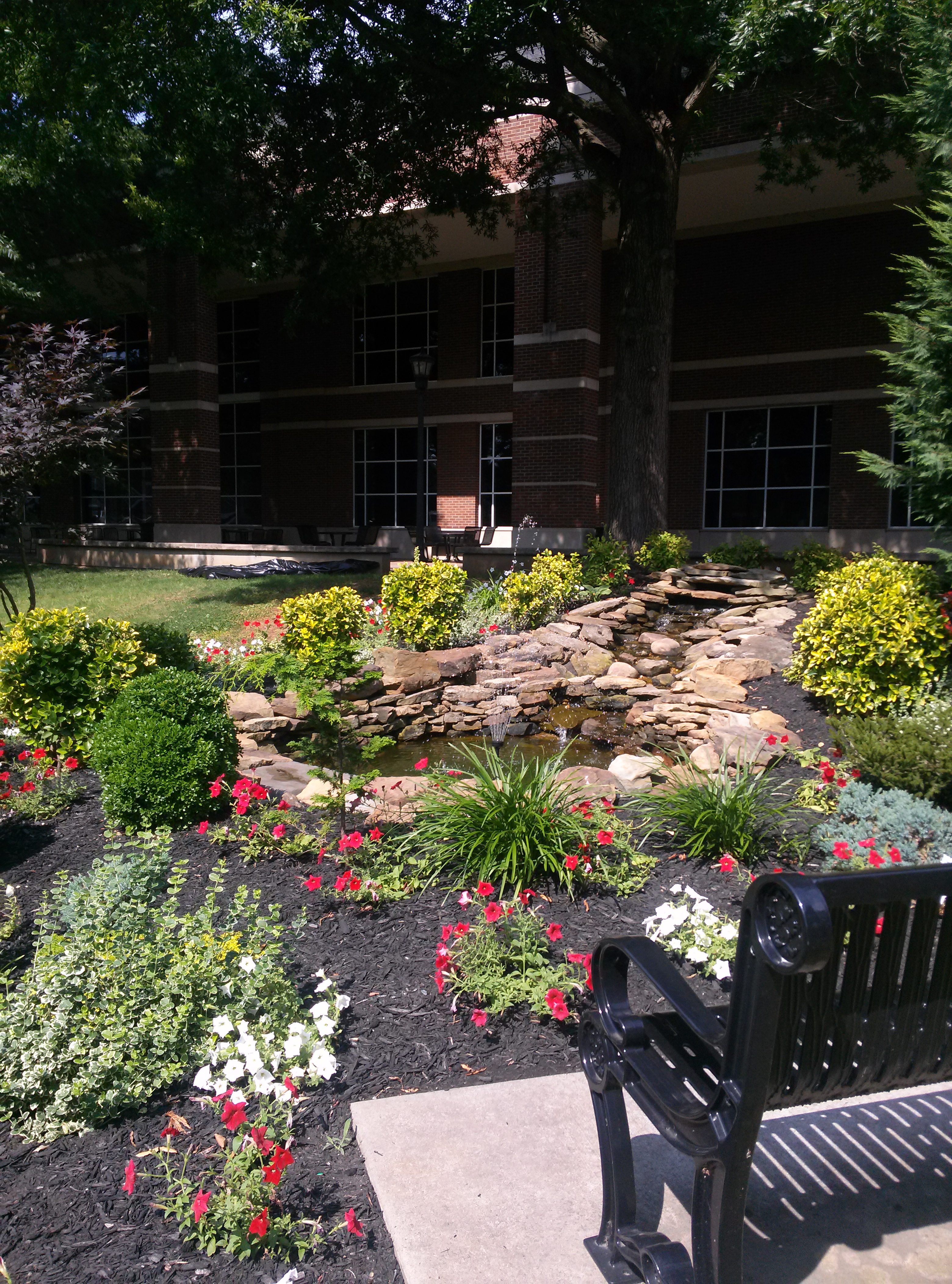
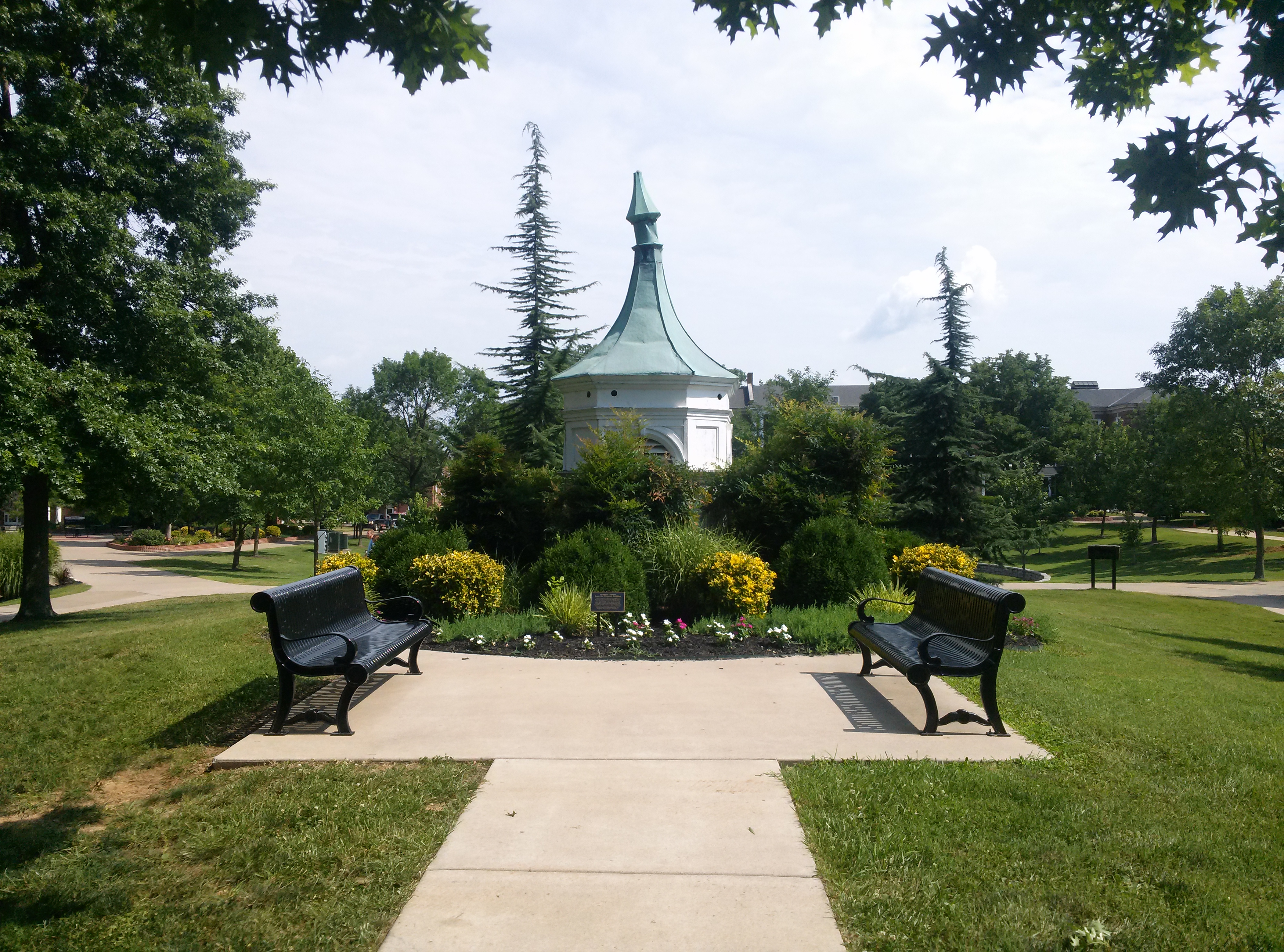
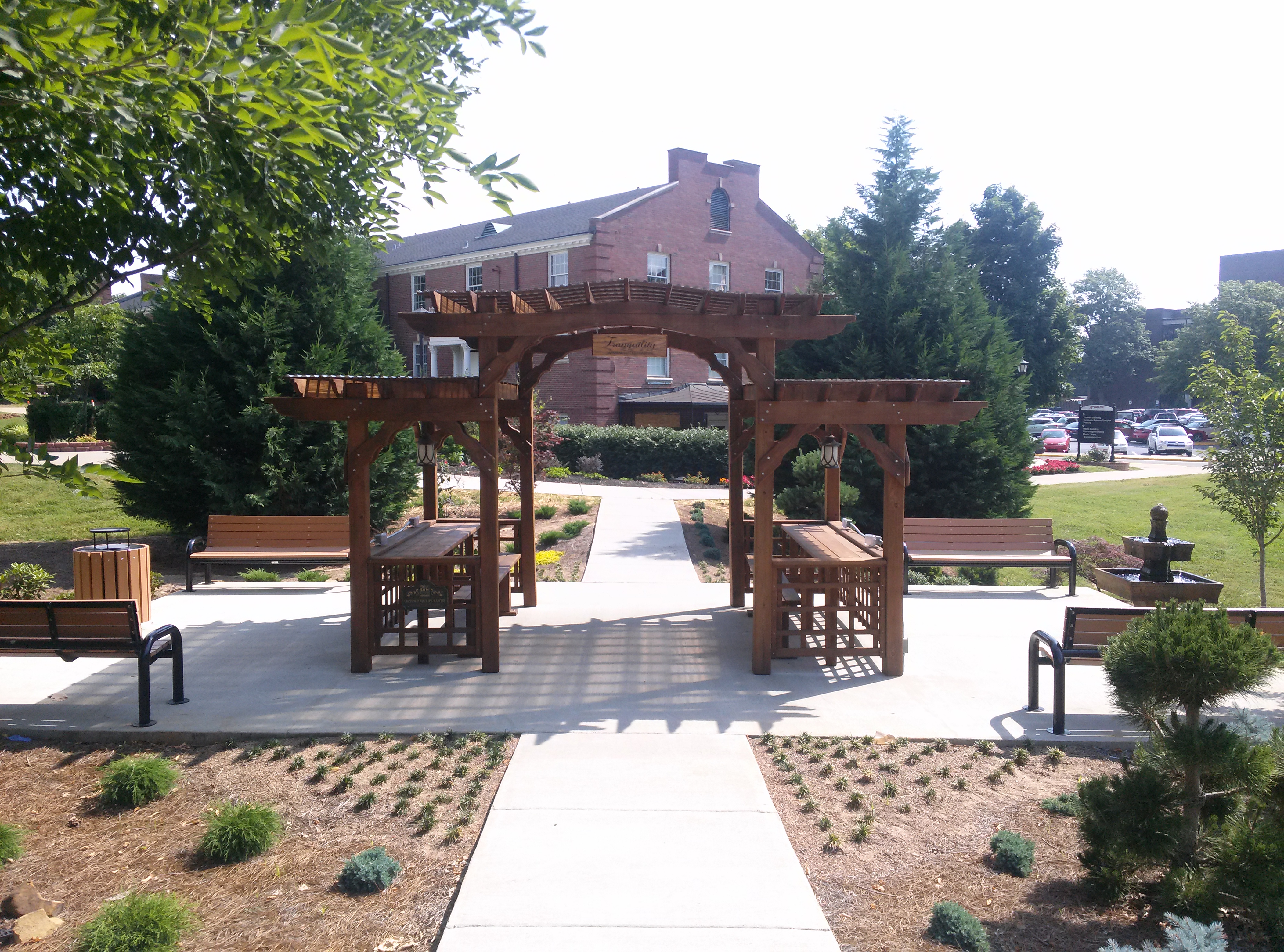
5. On the flip side though, because I am in an office with only 5 people there are more opportunities to be plugged in many roles. In my short 3 months here, I have seen more of the university than I did in my three years at Iowa State (and I was even on a bunch of campus wide committees at ISU). Because we are a small staff, we all have to pitch in on the big stuff. And let’s be honest, I also see more of the university because I have to leave my building every day. Although, it was nice to not worry about weather while in housing, I missed out on a lot of day to day things by just walking to and from my car every day, or having lunch in the courtyard. My staff use to make fun of me because I didn’t know where most academic buildings were. I can say confidently that I can pretty much master an APSU campus map right now. So I encourage any housing professional to take some time on just normal days to walk around and see the sights of campus, and make it a routine thing to do instead of only when there is big programming. I get to see the beauty of the campus, but also see where the pulse is by actively walking through campus each day. APSU is seriously one of the most beautiful campuses I have been on; maybe another reason I love exploring it everyday. These are all spots on my way into my office.

2013-06-12 07.54.18

Seriously, this campus was made for me with all of its swings. Each morning I am tempted to be late by taking a few moments to sit here.

2013-06-12 07.54.45

There are a bunch of fountains and art around to look at.

2013-06-12 07.56.10

Another pretty swing in a little garden!

2013-06-26 09.55.28

2013-06-26 09.56.28

2013-06-26 09.57.15

2013-06-26 09.57.50

6. Lastly, because you come from housing, people automatically think you LOVE planning events. I was voluntold to be on our party planning committee because “she[meaning me] likes doing that stuff.” (Party planning is not what it is called for real; that’s just my name for events.) Let’s get real, just because I have done a lot of event planning, doesn’t mean that I like it. But this is an assumption of every housing person ever. I mean it’s just one big pizza party right?

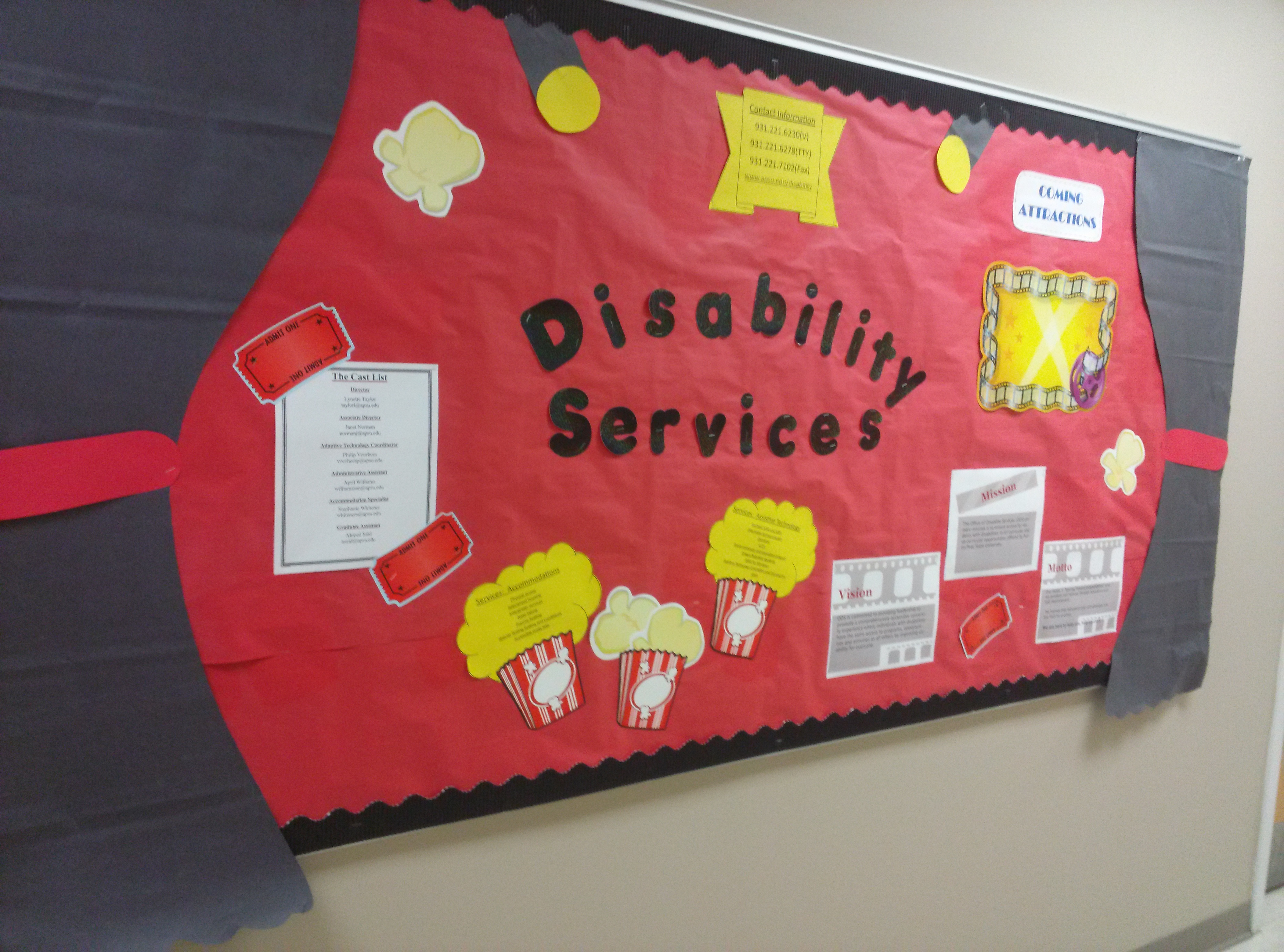
Even though I was voluntold for the party planning, I asked to be in charge of our office bulletin board. (Another assumption is that we are all creative, which is an assumption I am ok with.) I loved doing bulletin boards and door decs! Actually love is an understatement…So I hopped on the chance to do the one big board we have outside of our office.

2013-08-16 07.55.26

It was fun to back in housing for the morning and it helped me close some doors that I had been leaving ajar for who knows why.

I cannot believe that it has been 10 years since my dad dropped me off at Hosey Hall before marching band camp started at UCM.

Here are some more Throwback Thursday pictures from my freshmen year of college!

SCN_0005

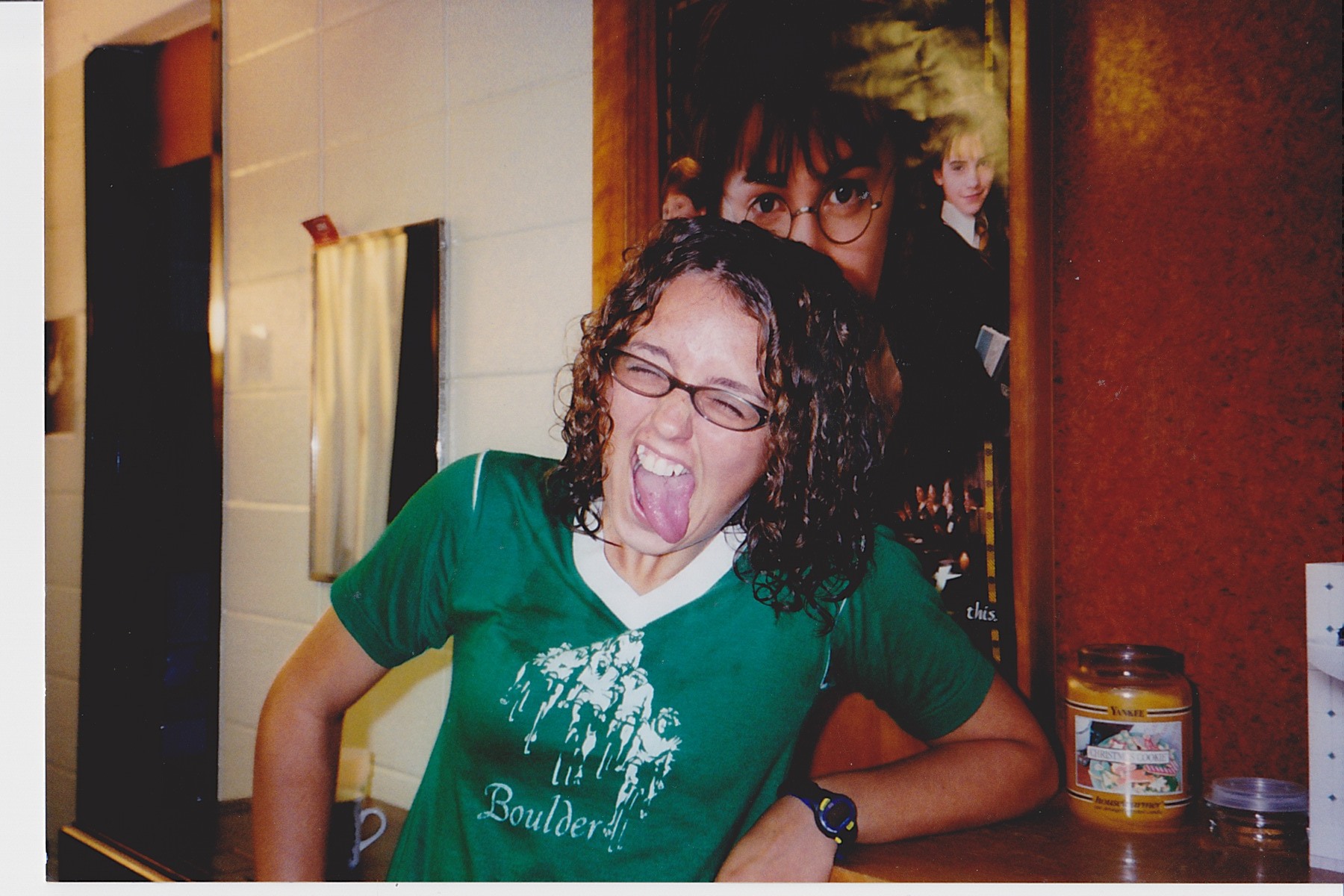
I have never been an experimenter with my hair, but I think every woman goes through a right of passage by stripping their locks with chemicals. I chose the the perm since I never did during elementary school. We had a night of hairdos on the floor. I remember there were so many chemicals in that bathroom between my perm and everyone’s else’s dye jobs.

SCN_0003

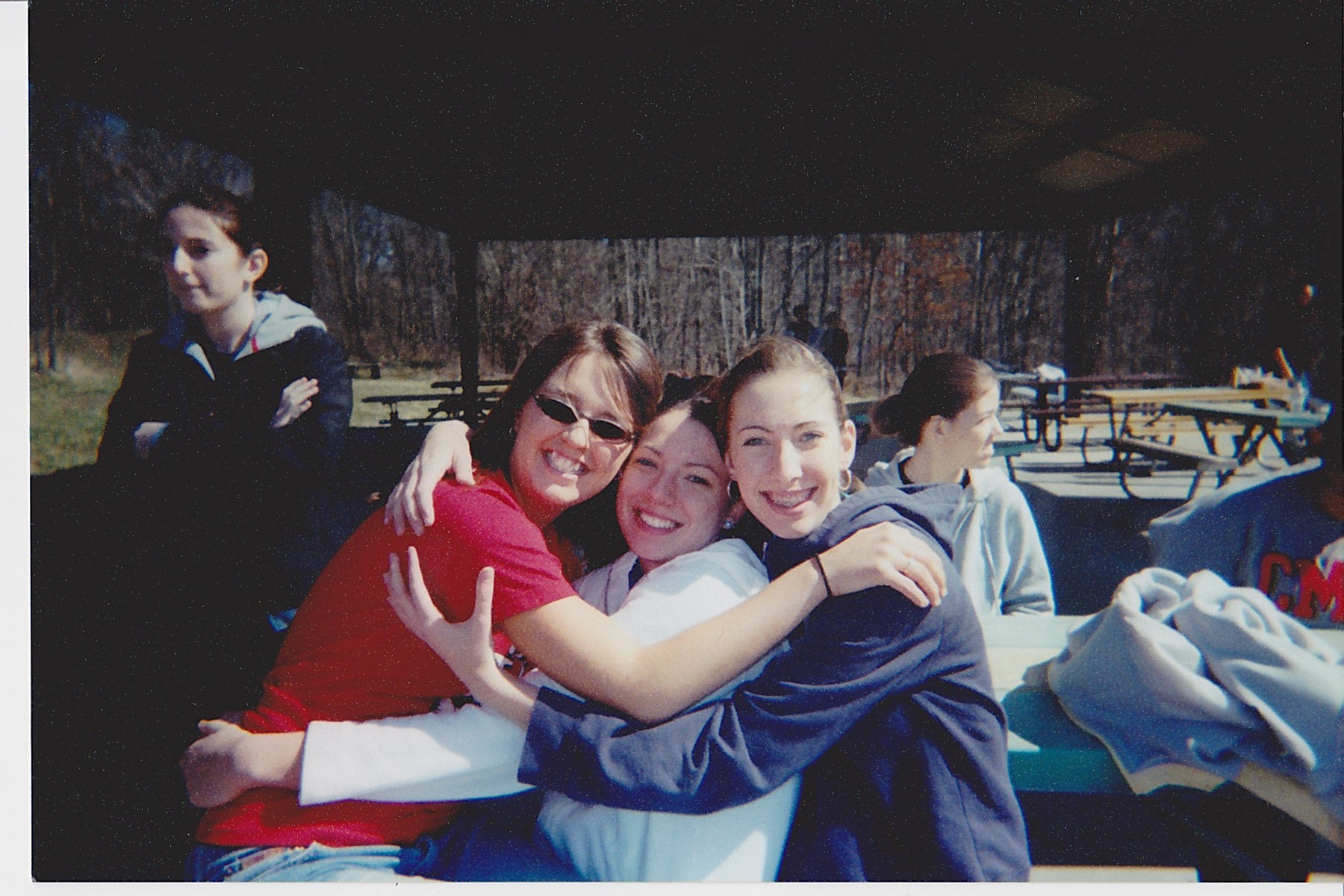
These were the first gals that I met at college. They lived across the hall and were in band with me so we all moved in prior to most of campus. We also joined an honors fraternity together that year. Love these ladies!

SCN_0004

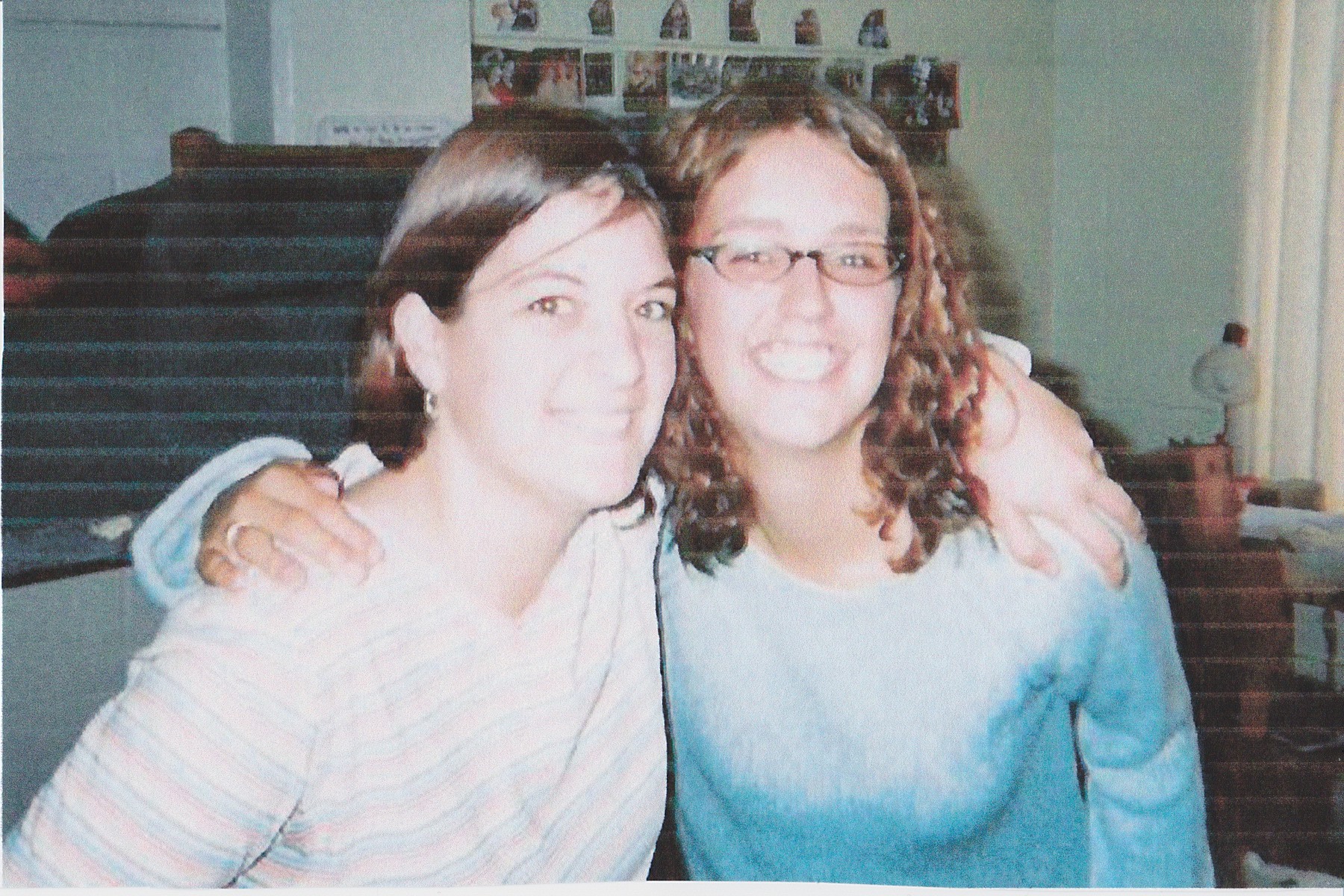
This was my freshman year roommate who was one of my closest friends through out middle and high school. And we were two of like 6 people from our high school that went to UCM that year, so it was nice to know someone. So many more memories were made that first year at Central! I spent about an hour tonight looking through my old albums and just laughing at some of the things we got ourselves into. She just had her first baby, and I couldn’t be happier for her and her expanding family!

College is a great time in a person’s life. You are able to learn so much if you take advantage of the opportunities that come your way. I am just excited that every day I still get to be a part of those opportunities for someone else. I have the best job!